Dog Parvo Symptoms & Treatment
Parvo in dogs is one of the most dangerous viral infections affecting puppies and unvaccinated dogs. Canine parvovirus attacks the digestive system and immune system, causing severe vomiting, bloody diarrhea, dehydration, and weakness. Without quick treatment, parvo can become life-threatening within days.
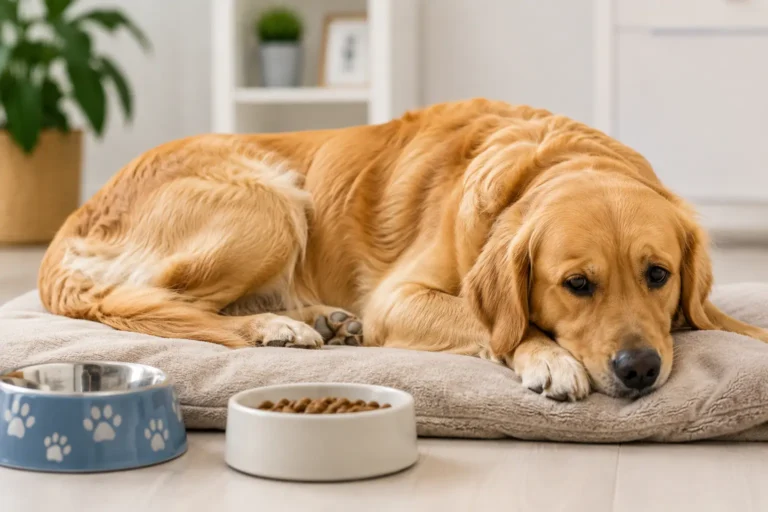
The early signs of parvo in dogs are often easy to miss because they can look similar to common stomach problems. Many pet owners notice tiredness, loss of appetite, or mild vomiting before the disease quickly becomes severe. Recognizing symptoms early can greatly improve the survival rate.
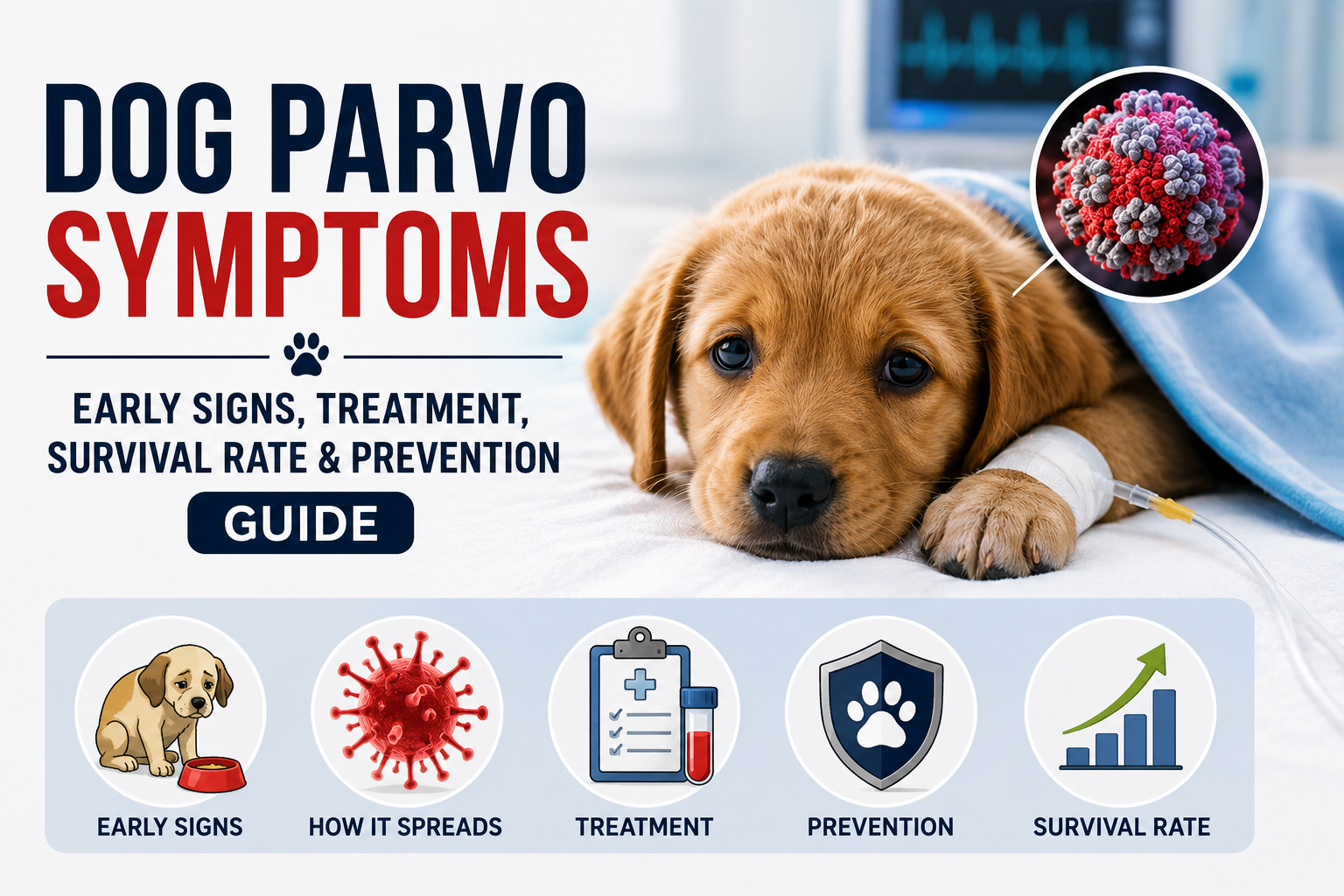
If your dog or puppy is showing signs of parvo, fast action is critical. In this guide, you’ll learn the symptoms of parvo in dogs, how dogs get parvo, treatment options, recovery tips, prevention methods, and the survival rate for infected dogs.
What Is Parvo in Dogs?
Canine parvovirus, commonly called parvo, is a highly contagious virus that mainly affects puppies and unvaccinated dogs. The virus attacks rapidly growing cells in the intestines, bone marrow, and immune system. Because of this, infected dogs can become severely dehydrated and weak in a short time.
Parvo spreads through infected feces, contaminated food bowls, floors, grass, shoes, and even human hands. The virus can survive in the environment for months, making prevention extremely important.
Dog Parvo Symptoms
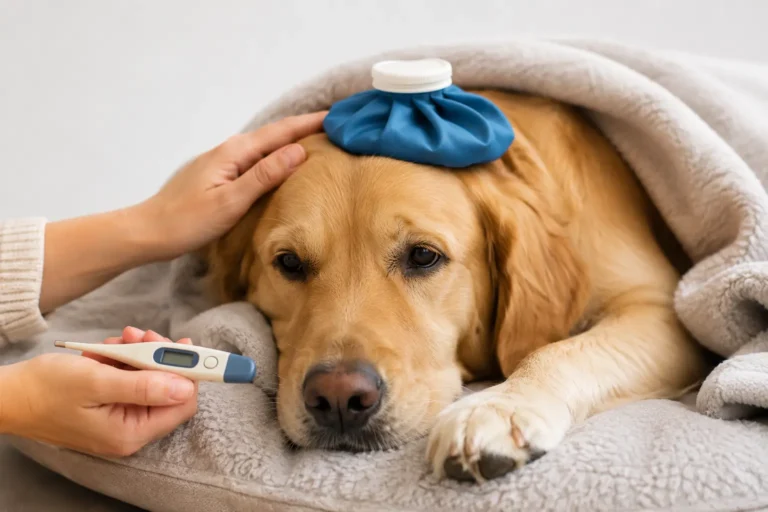
The symptoms of parvo in dogs usually appear within 3 to 7 days after exposure. Early diagnosis can save your dog’s life.
Early Signs of Parvo in Dogs
- Loss of appetite
- Extreme tiredness
- Mild fever
- Vomiting
- Low energy levels
Severe Symptoms of Parvo
- Bloody diarrhea
- Severe dehydration
- Rapid weight loss
- Abdominal pain
- Weak immune system
- Collapse or shock
Signs of Parvo in Puppies
Puppies are more vulnerable to canine parvovirus because their immune systems are still developing. Common signs of parvo in puppies include:
- Refusing food or water
- Constant sleeping
- Crying from stomach pain
- Severe diarrhea with blood
- Vomiting multiple times a day
How Do Dogs Get Parvo?
Many owners ask, “How do dogs get parvo?” The virus spreads very easily through direct or indirect contact with infected material.
Dogs can get parvo from:
- Infected dog feces
- Contaminated grass or soil
- Shared food and water bowls
- Dog parks and kennels
- Shoes, clothing, or hands carrying the virus
Even vaccinated adult dogs can sometimes get infected, although symptoms are usually less severe.
Stages of Parvo in Dogs
Stage 1 – Infection
The dog comes into contact with the virus through contaminated surfaces or infected feces.
Stage 2 – Incubation
The virus begins multiplying inside the body. Dogs may appear normal during this stage.
Stage 3 – Severe Illness
Symptoms like vomiting, bloody diarrhea, dehydration, and weakness become severe.
Stage 4 – Recovery
With proper treatment and fluids, some dogs begin recovering within a few days.
Diagnosing Parvo in Dogs
Veterinarians diagnose parvo using:
- Physical examination
- Stool testing
- Blood tests
- Hydration assessment
Immediate veterinary care is important because parvo symptoms can worsen very quickly.
Dog Parvo Treatment
There is no direct cure for canine parvovirus, but supportive care improves survival chances.
How to Treat Parvo in Dogs
Treatment usually includes:
- IV fluids for dehydration
- Anti-vomiting medications
- Antibiotics to prevent infection
- Nutritional support
- Electrolyte replacement
Home Care for Dogs With Parvo
Mild cases may sometimes be managed at home under veterinary supervision. However, severe cases usually require hospitalization.
Never try home remedies without consulting a veterinarian because dehydration can become fatal quickly.
Parvo Survival Rate Dogs
The survival rate of dogs with parvo depends on how quickly treatment begins.
- With professional treatment: 70% to 90% survival rate
- Without treatment: survival chances drop significantly
Puppies treated early have a much better chance of recovery.
Recovery and Management
Most dogs need several weeks to fully recover from parvo. During recovery:
- Provide soft, easy-to-digest food
- Keep the dog hydrated
- Limit physical activity
- Clean contaminated areas carefully
Parvo can survive in the environment for months, so proper disinfection is essential.
How to Prevent Parvo in Dogs
Prevention is the best protection against canine parvovirus.
Puppy Vaccination Schedule
Puppies usually receive parvo vaccines starting at:
- 6–8 weeks
- 10–12 weeks
- 14–16 weeks
Prevention Tips
- Avoid dog parks before full vaccination
- Clean surfaces with bleach-based disinfectants
- Keep puppies away from sick dogs
- Maintain regular vet visits
When to Visit a Vet Immediately
Take your dog to a veterinarian immediately if you notice:
- Bloody diarrhea
- Continuous vomiting
- Severe weakness
- Refusal to eat or drink
- Signs of dehydration
Quick treatment can save your dog’s life.
Best Dog Food for Dogs Recovering From Parvo
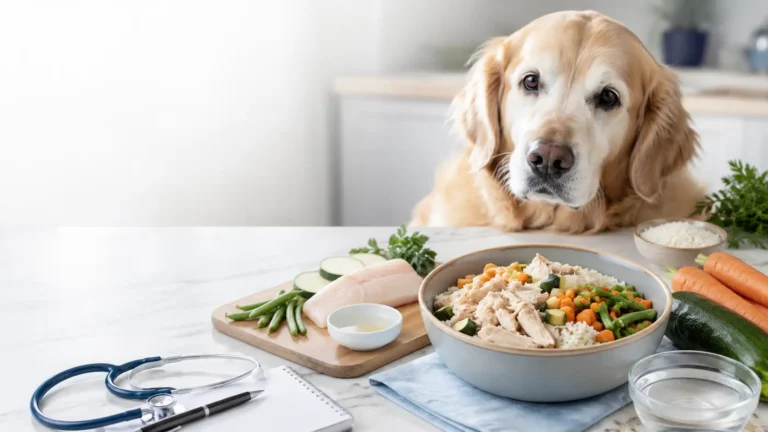
Dogs recovering from parvo need soft, easy-to-digest food to regain strength and prevent stomach irritation. Because canine parvovirus damages the digestive system, feeding the right food is important for recovery.
What to Feed a Dog With Parvo
- Boiled chicken with white rice
- Pumpkin puree
- Low-fat prescription dog food
- Bone broth for hydration
- Small frequent meals
Foods to Avoid
- Spicy foods
- Dairy products
- Fatty foods
- Raw meat
- Hard-to-digest treats
Always provide clean water and follow your veterinarian’s feeding recommendations. Puppies recovering from parvo may need special nutritional support to rebuild their immune system and regain energy.
FAQs
What are the first signs of parvo in a puppy?
The first signs usually include tiredness, loss of appetite, vomiting, and fever.
Can adult dogs get parvo?
Yes, adult dogs can get parvo, especially if they are unvaccinated or have weak immunity.
How long does parvo last in dogs?
Most dogs experience severe symptoms for about 5 to 10 days, but recovery may take weeks.
Can humans catch parvo from dogs?
No, canine parvovirus does not infect humans.
Can a dog survive parvo without treatment?
Some dogs survive mild cases, but most infected dogs need immediate veterinary care.
How contagious is parvo?
Parvo is extremely contagious and spreads easily through infected feces and contaminated surfaces.
Can vaccinated dogs get parvo?
Yes, but vaccinated dogs usually experience milder symptoms.
Can parvo live in grass or soil?
Yes, the virus can survive for months in soil, grass, and outdoor areas.
Final Thoughts
Dog parvo symptoms should never be ignored because the virus spreads fast and can become deadly within days. Recognizing the early signs of parvo in dogs and getting immediate treatment greatly improves survival chances.
Vaccination, proper hygiene, and early veterinary care are the best ways to protect your dog from canine parvovirus. If your puppy shows vomiting, bloody diarrhea, or severe weakness, contact a veterinarian immediately.
A healthy diet also plays an important role in your dog’s recovery and immune system strength. Choosing the right food can help your dog regain energy faster and support overall health during and after recovery.