High Protein Homemade Dog Food Recipe Guide
Finding a reliable high protein homemade dog food recipe can be challenging when all you want is a simple, healthy meal for your dog. Most pet owners are looking for easy recipes made with safe ingredients that support muscle health and overall nutrition without confusion.
The good news is that you can prepare balanced, protein-rich meals at home using ingredients like chicken, turkey, vegetables, and grains. When done correctly, homemade dog food can support energy levels, digestion, and long-term health.
Below, you’ll find a complete high protein homemade dog food recipe you can start using right away, along with simple guidance to keep your dog’s diet balanced and safe.
High Protein Homemade Dog Food Recipe
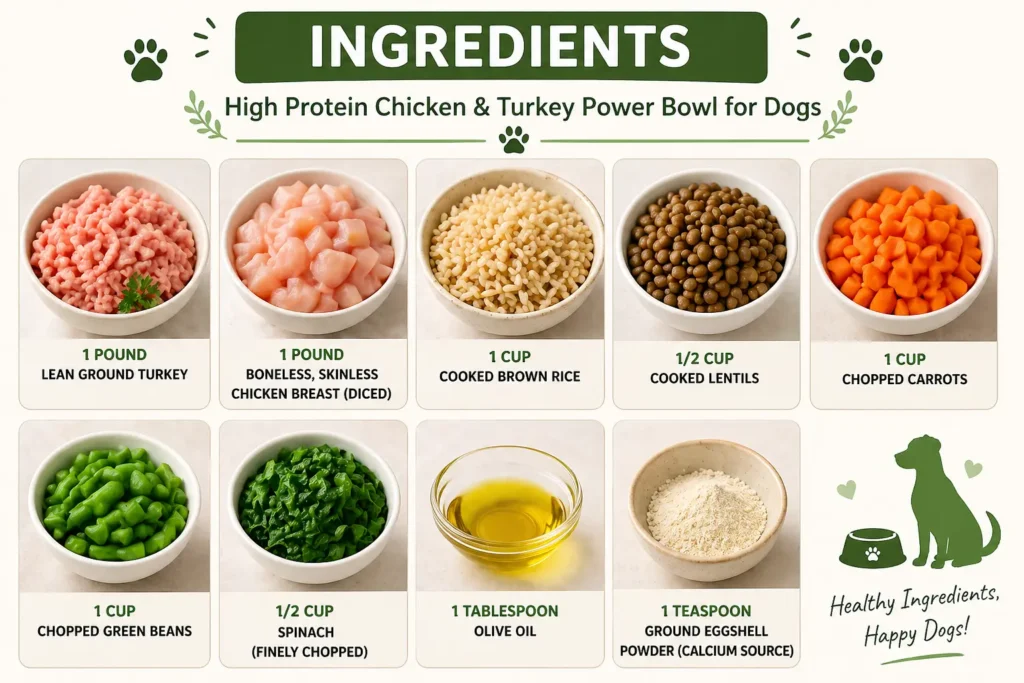
Chicken & Turkey Power Bowl for Dogs
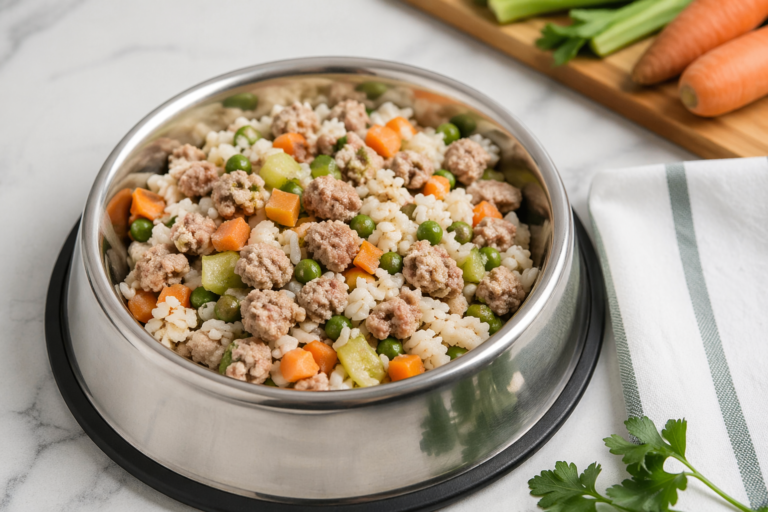
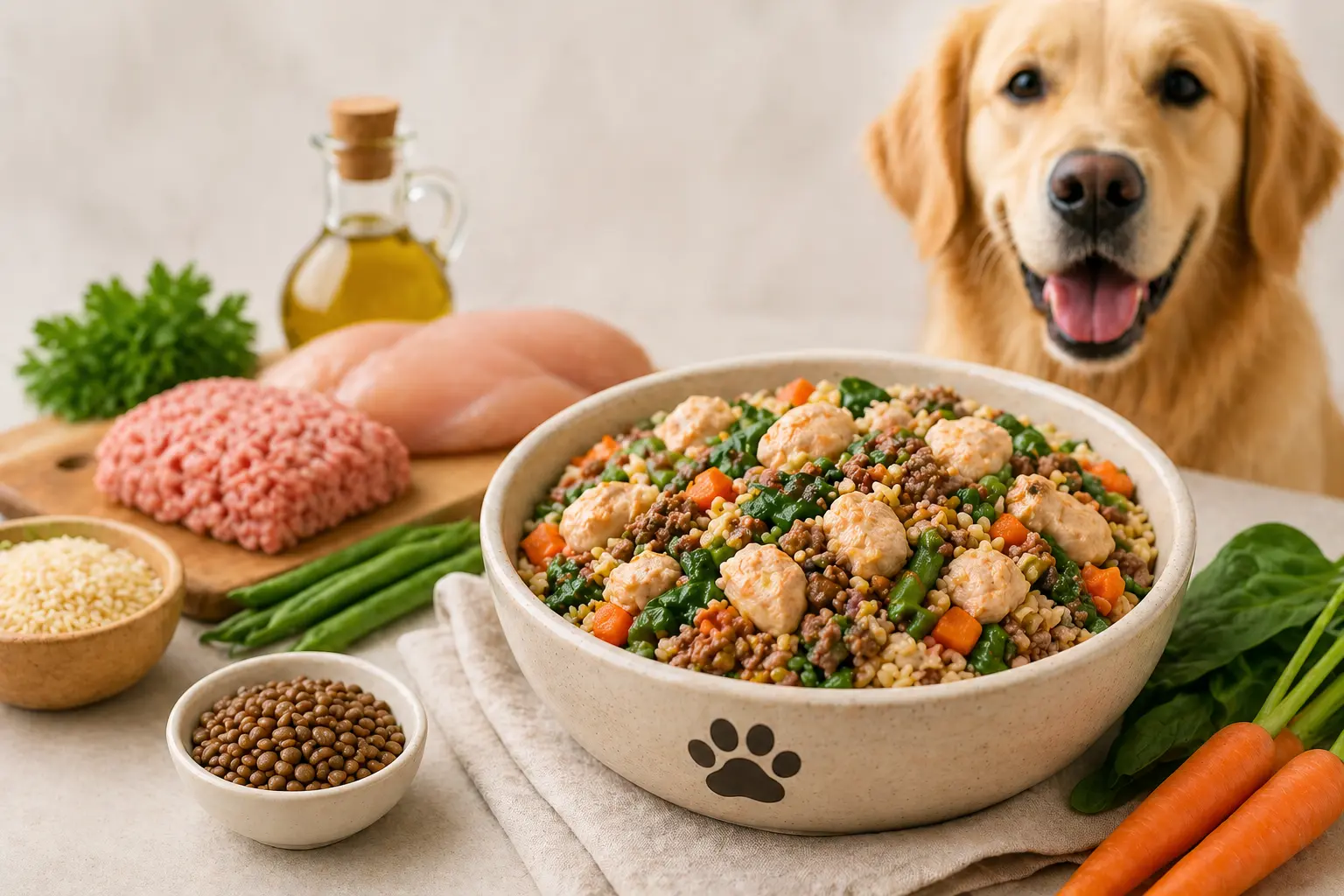
This high protein homemade dog food recipe combines lean meats, healthy carbohydrates, and safe vegetables to create a balanced and nutritious meal for dogs.
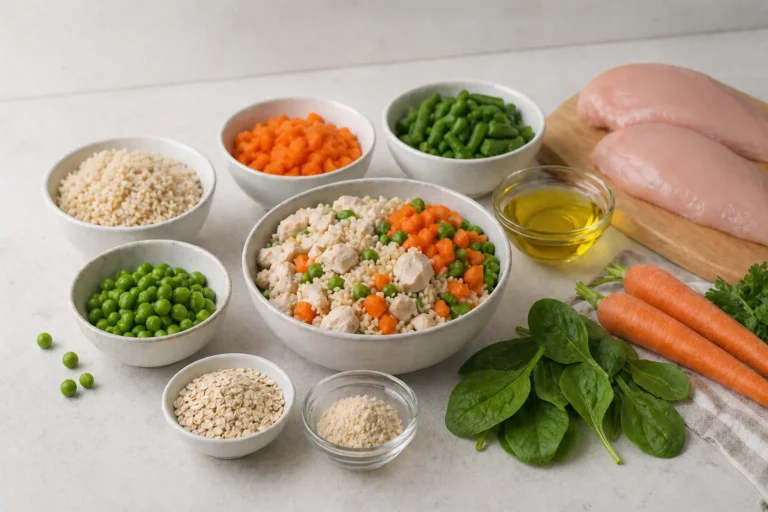
Ingredients
- 1 pound lean ground turkey
- 1 pound boneless, skinless chicken breast (diced)
- 1 cup cooked brown rice
- 1/2 cup cooked lentils
- 1 cup chopped carrots
- 1 cup chopped green beans
- 1/2 cup spinach (finely chopped)
- 1 tablespoon olive oil
- 1 teaspoon ground eggshell powder (calcium source)
Instructions
- Cook ground turkey in a large pan until fully browned
- Add diced chicken and cook until no pink remains
- Steam carrots and green beans until soft
- Mix in cooked rice, lentils, and vegetables
- Add spinach and cook briefly until wilted
- Remove from heat and stir in olive oil and eggshell powder
- Let the food cool completely before serving
Feeding Guide
Most adult dogs eat around 2–3% of their body weight per day, divided into two meals. Active dogs may require slightly more, while less active dogs may need less.
Monitor your dog’s weight and adjust portions as needed. A healthy dog should maintain steady energy and a stable body condition.
Storage Instructions
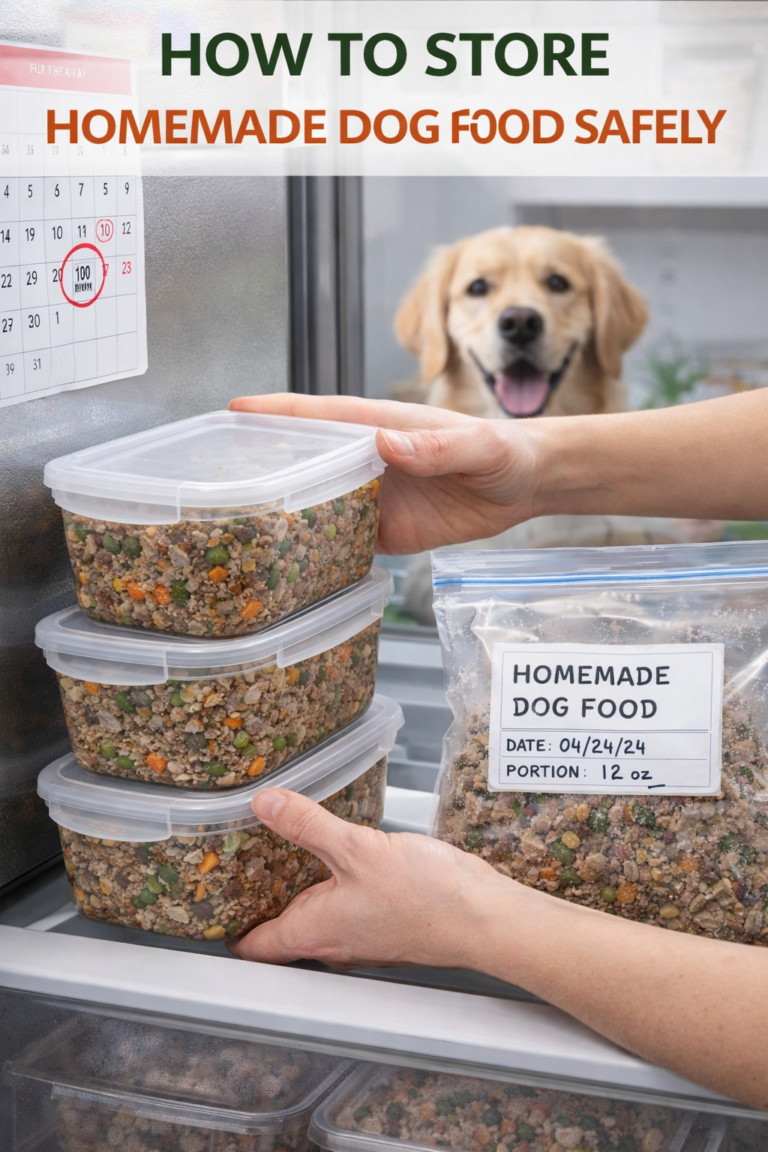
- Store in an airtight container in the refrigerator for 3–4 days
- Freeze portions for up to 2–3 months
- Thaw in the refrigerator before serving
- Always serve at room temperature
Why Is Protein Important for Dogs?
Protein plays a key role in muscle development, tissue repair, and overall health. Active dogs and growing puppies especially benefit from higher protein intake, as it supports strength and energy.
Ingredients like chicken, turkey, and lentils provide essential amino acids that help maintain lean muscle mass and support body functions.
What Makes This Recipe Balanced?
A balanced dog diet includes protein, carbohydrates, fats, vitamins, and minerals. This recipe combines lean meats for protein, rice and lentils for energy, and vegetables for fiber and nutrients.
The addition of eggshell powder provides calcium, which is essential for bone health. Balance comes from combining multiple nutrients—not just focusing on protein alone.
Best Protein Sources for Dogs
High-quality animal proteins are the most effective sources for dogs because they are easier to digest and contain complete amino acid profiles.
Common options include:
- Chicken
- Turkey
- Beef
- Fish
Plant-based proteins like lentils can be used in small amounts to support fiber and digestion.
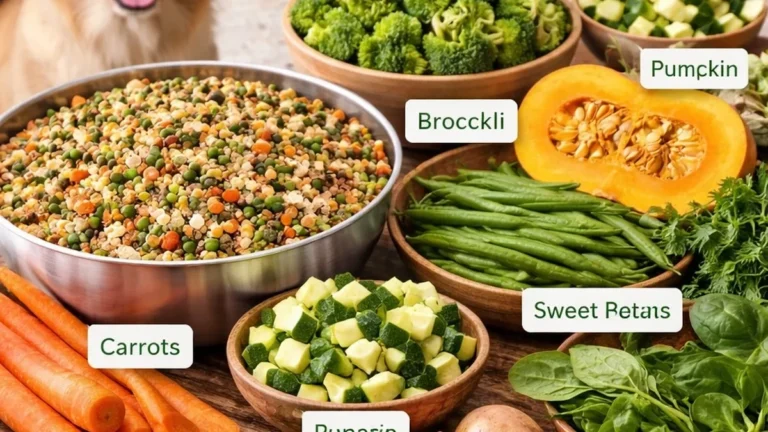
Safe Vegetables for Dogs
Vegetables can improve digestion and provide essential nutrients when included in moderation.
Safe options include:
- Carrots
- Green beans
- Spinach
- Peas
- Zucchini
Avoid harmful foods like onions, garlic, and grapes, as they can be toxic to dogs.
How Much Should You Feed Your Dog?
Feeding depends on your dog’s size, age, and activity level.
As a general guide:
- Small dogs need smaller, more frequent meals
- Medium dogs require moderate portions
- Large dogs need larger portions with controlled calories
You should be able to feel your dog’s ribs without seeing them. Adjust portions if weight changes occur.
Homemade vs Commercial Dog Food
Homemade dog food allows full control over ingredients and can help avoid additives and fillers. It’s especially useful for dogs with allergies or sensitivities.
However, commercial dog food is formulated to meet nutritional standards. A combination approach—using both homemade and high-quality commercial food—can work well for many owners.
When to Avoid High Protein Diets
Not all dogs require high protein diets. Senior dogs or dogs with certain health conditions may need adjusted nutrition under veterinary guidance.
If your dog shows signs of digestive issues after switching diets, reduce the portion or consult a veterinarian. Always introduce new food gradually over 7–10 days.
Common Mistakes to Avoid
- Feeding unbalanced meals
- Skipping calcium or supplements
- Using toxic ingredients
- Overfeeding
- Switching diets too quickly
Frequently Asked Questions
Can I feed this recipe every day?
Yes, but long-term feeding should be reviewed by a veterinarian to ensure complete nutrition.
Can puppies eat this recipe?
Puppies have different nutritional needs, so consult a veterinarian before feeding homemade meals.
What if my dog has allergies?
You can switch protein sources such as lamb or fish and monitor your dog’s response.
Can I replace brown rice?
Yes, you can use oats or quinoa as alternatives.
How do I switch to homemade dog food?
Gradually mix homemade food with current food over 7–10 days to avoid digestive issues.
Conclusion
Preparing a high protein homemade dog food recipe at home is one of the most practical ways to support your dog’s health using fresh, controlled ingredients. With the right balance of protein, vegetables, and essential nutrients, you can create meals that promote strength, energy, and overall well-being.
By starting with simple recipes and adjusting based on your dog’s needs, you can build a feeding routine that is both safe and effective. Over time, these small changes can make a noticeable difference in your dog’s health and quality of life.