Instant Homemade Salmon Dog Food Recipes
Many dog owners want a healthier alternative to commercial dog food. Some packaged foods contain fillers, artificial preservatives, and other ingredients that may not be suitable for dogs with food allergies, digestive issues, or sensitive stomachs. Preparing homemade meals allows pet owners to have full control over ingredient quality and nutrition.
Homemade salmon dog food is becoming increasingly popular because salmon is rich in high-quality protein, omega-3 fatty acids, DHA, EPA, vitamins, and minerals. These nutrients help support healthy skin, a shiny coat, strong muscles, joint mobility, and overall canine wellness.
If you’re looking for homemade salmon dog food recipes, this guide provides a simple recipe, feeding recommendations, safety tips, storage advice, and the key benefits of adding salmon to your dog’s diet.
Homemade Salmon Dog Food Recipe
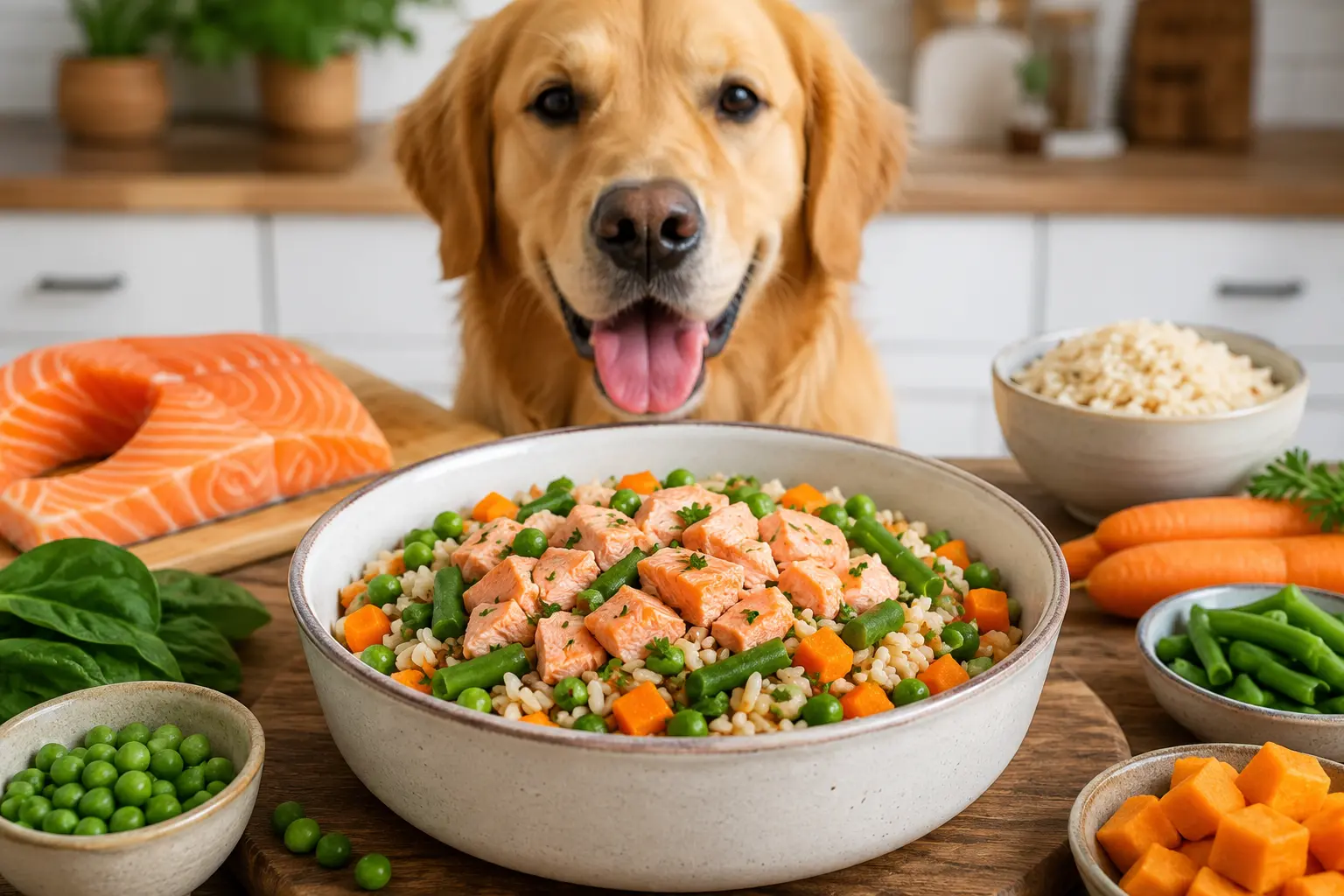
Ingredients
- 1 pound boneless salmon
- 1 cup brown rice
- 1 cup chopped carrots
- 1 cup green beans
- ½ cup spinach
- ½ cup pumpkin puree
- 4 cups water
Instructions
- Cook the brown rice according to package instructions.
- Bake or steam the salmon until fully cooked.
- Remove all bones and flake the salmon into small pieces.
- Steam the carrots, green beans, and spinach until soft.
- Combine the salmon, rice, vegetables, and pumpkin puree in a large bowl.
- Mix thoroughly until evenly blended.
- Allow the food to cool completely before serving.
Nutritional Benefits
This homemade salmon dog food recipe provides high-quality protein, omega-3 fatty acids, fiber, vitamins, minerals, and antioxidants. Together, these nutrients help support muscle maintenance, digestive health, immune function, skin condition, coat quality, and overall canine health.
Also read
Why Many Dog Owners Choose Homemade Dog Food
Many pet owners switch to homemade dog food to gain more control over what their dogs eat. Some dogs experience itchy skin, food sensitivities, digestive discomfort, low energy levels, or poor coat quality after eating certain commercial foods.
Homemade meals allow owners to use fresh ingredients while avoiding unnecessary additives, artificial flavors, preservatives, and low-quality fillers. They also make it easier to choose protein sources that match a dog’s specific nutritional needs and dietary preferences.
Why Salmon Is Good for Dogs
Salmon is one of the most nutrient-dense protein sources available for dogs. It contains essential amino acids that help build and maintain muscle while supporting tissue repair and healthy growth.
The omega-3 fatty acids found in salmon, including DHA (docosahexaenoic acid) and EPA (Eicosapentaenoic acid), help support brain function, joint health, skin condition, coat quality, and immune system function. Salmon also contains selenium, vitamin D, phosphorus, and B vitamins that contribute to healthy metabolism and overall wellness.
Key Benefits of Salmon for Dogs
- Supports healthy skin and coat
- Helps maintain lean muscle mass
- Promotes brain and cognitive function
- Supports joint mobility
- Contributes to a healthy immune system
- Provides essential vitamins and minerals
Can Dogs Eat Salmon Safely?
Yes, dogs can safely eat cooked salmon when it is prepared properly.
Important Safety Tips
- Always cook salmon thoroughly.
- Remove all bones before feeding.
- Avoid garlic and onions.
- Do not use heavy seasonings.
- Never feed smoked salmon.
- Avoid raw salmon.
Raw fish may contain harmful bacteria, parasites, and foodborne pathogens that can affect your dog’s health. Proper cooking and food handling significantly reduce these risks and make salmon a safe addition to your dog’s diet.
How Much Homemade Salmon Dog Food Should You Feed?
The right amount depends on your dog’s age, body weight, activity level, metabolism, and overall health.
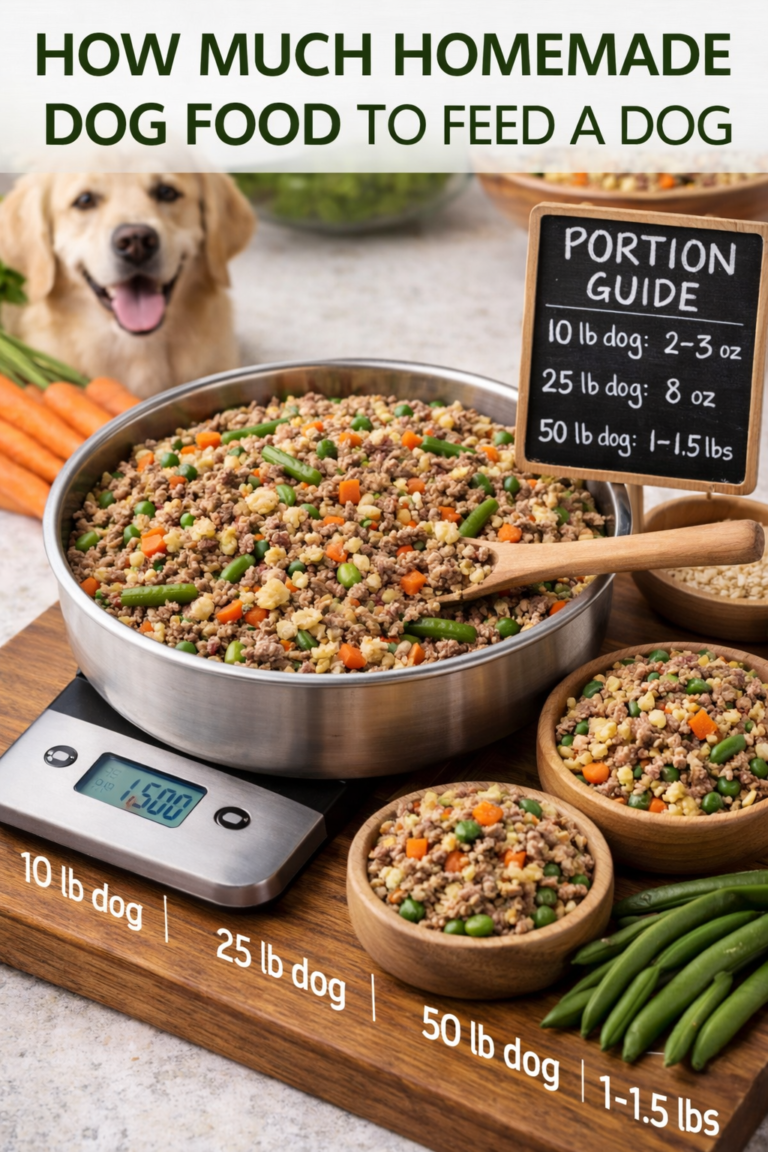
General Feeding Guide
| Dog Size | Approximate Daily Amount |
|---|---|
| Small (5–20 lbs) | ½–1½ cups |
| Medium (20–50 lbs) | 1½–3 cups |
| Large (50–80 lbs) | 3–4½ cups |
| Extra Large (80+ lbs) | 4½–6 cups |
These amounts are general guidelines and may vary between dogs. Active dogs often require more calories than less active dogs. If your dog has a medical condition or special dietary needs, consult your veterinarian for personalized feeding recommendations.
How to Store Homemade Salmon Dog Food
Refrigerator Storage
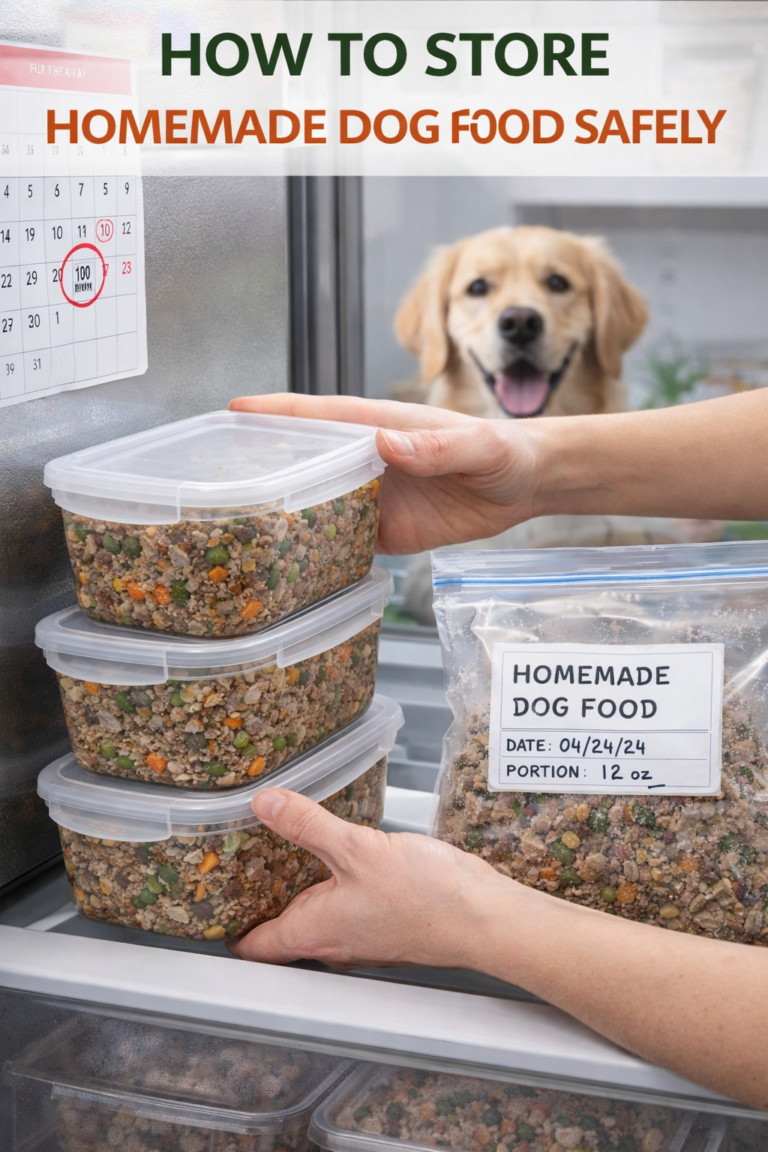
Store homemade salmon dog food in airtight containers for up to 4 days.
Keeping the food properly sealed helps preserve freshness and prevents contamination from other foods in the refrigerator. Labeling the container with the preparation date can also help you track freshness more easily.
Freezer Storage
Freeze individual portions for up to 3 months to help maintain freshness and nutritional quality.
Dividing the food into meal-sized portions makes feeding more convenient and reduces waste. Properly sealed freezer-safe containers can also help prevent freezer burn.
Serving Tips
- Thaw frozen portions overnight in the refrigerator.
- Serve food at room temperature.
- Avoid leaving food out for extended periods.
- Discard food that smells unusual or shows signs of spoilage.
- Allowing refrigerated food to sit for a few minutes before serving may improve its taste and texture for your dog. Always check the food before serving to ensure it remains fresh and safe to eat.
Proper Storage Helps Prevent Bacterial Growth
Proper storage helps prevent bacterial growth and keeps homemade meals safe for your dog.
Following safe storage practices also helps maintain the nutritional value of the ingredients. This ensures your dog receives the full benefits of the homemade salmon dog food recipe while reducing the risk of food-related illness..
Frequently Asked Questions
Can dogs eat salmon every day?
Salmon can be fed regularly as part of a balanced diet, although rotating protein sources may provide additional nutritional variety.
Is canned salmon safe for dogs?
Yes. Choose canned salmon packed in water without added salt, seasonings, or preservatives.
Can I freeze homemade salmon dog food?
Yes. Properly stored portions can remain frozen for up to three months.
Is salmon good for dogs with allergies?
Salmon is often used as an alternative protein source for dogs with sensitivities to chicken or beef. Its omega-3 fatty acids may also help support healthy skin and coat condition.
Can puppies eat homemade salmon dog food?
Puppies can eat cooked salmon, but their nutritional needs differ from adult dogs. Always consult your veterinarian before feeding homemade diets to growing puppies.
How long does homemade salmon dog food last in the fridge?
When stored properly in an airtight container, homemade salmon dog food usually remains fresh for up to four days.
Can dogs eat raw salmon?
No. Raw salmon may contain harmful parasites and bacteria that can make dogs sick. Always cook salmon thoroughly before serving.
Are salmon bones safe for dogs?
No. Fish bones can create choking hazards and may injure the mouth, throat, or digestive tract. Always remove all bones before feeding salmon to your dog.
Conclusion
Homemade salmon dog food recipes provide a simple and nutritious way to feed your dog using fresh, wholesome ingredients. Salmon delivers high-quality protein, omega-3 fatty acids, DHA, EPA, vitamins, minerals, and antioxidants that support healthy skin, coat condition, muscle maintenance, immune function, digestive health, and overall canine wellness.
By following proper preparation methods, safe cooking practices, recommended feeding portions, and correct storage guidelines, you can confidently include homemade salmon dog food in your dog’s diet while supporting balanced nutrition and long-term health.