Dog Ear Infection Symptoms, Treatment & Prevention Guide
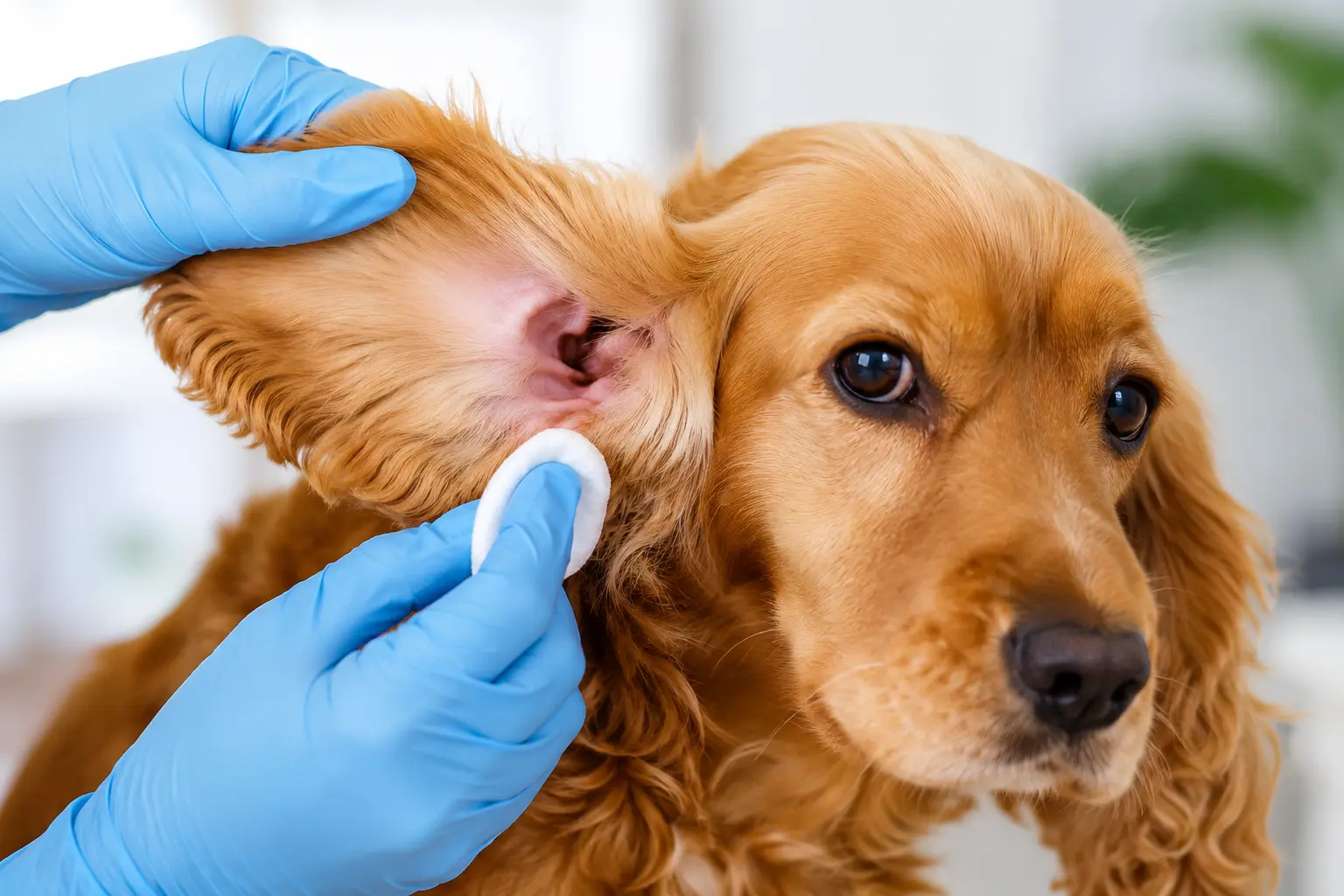
Dog ear infections are one of the most common health problems seen in dogs. If your dog is constantly scratching its ears, shaking its head, producing a bad smell from the ears, or showing signs of discomfort, an ear infection could be the cause. While some infections start with mild irritation, they can quickly become painful and lead to more serious complications if left untreated.
Many dog owners search for dog ear infection symptoms because the early warning signs can be easy to miss. A dog may only show occasional scratching or slight head shaking in the beginning. However, as the infection progresses, symptoms often become more noticeable and uncomfortable for your pet.
The good news is that most dog ear infections can be successfully treated when diagnosed early. Understanding the symptoms, causes, treatment options, and prevention methods can help you take action quickly and keep your dog healthy.
Quick Signs Your Dog May Have an Ear Infection
If you notice any of the following symptoms, your dog may have an ear infection:
- Frequent head shaking
- Scratching one or both ears
- Redness inside the ear
- Swelling of the ear canal
- Strong odor from the ears
- Brown, yellow, or black discharge
- Pain when touching the ears
- Head tilt
- Balance problems
- Hearing difficulties
If several of these symptoms are present, schedule a veterinary examination as soon as possible.
What Is a Dog Ear Infection?
A dog ear infection occurs when bacteria, yeast, parasites, or other irritants cause inflammation within the ear canal. Most infections affect the outer ear canal, a condition known as otitis externa. In severe cases, the infection can spread to the middle ear or inner ear and become much more difficult to treat.
Dogs are naturally more prone to ear infections because of the shape of their ear canals. Unlike humans, dogs have an L-shaped ear canal that can trap moisture, wax, dirt, and debris. This creates an environment where bacteria and yeast can easily multiply.
Without treatment, inflammation can worsen and damage the ear canal. Chronic infections may lead to hearing loss, balance problems, and permanent changes inside the ear.
Also read
- Dog Parvo Symptoms & Treatment
- Dog Digestive Problems: Causes & Treatments
- Dog Illness Symptoms: 25 Warning Signs Your Dog May Be Sick
Dog Ear Infection Symptom
The symptoms of a dog ear infection can vary depending on the severity and type of infection. Some dogs show only mild irritation, while others experience significant pain and discomfort.
Common symptoms include:
- Head shaking
- Persistent scratching
- Redness
- Swelling
- Ear discharge
- Bad odor
- Crusting around the ears
- Pain when touched
- Head tilting
- Loss of balance
- Hearing loss
Many owners first notice excessive scratching or head shaking. These behaviors are often the body’s response to irritation deep inside the ear canal.
Early Signs Most Owners Miss
Many infections begin with subtle symptoms that owners often overlook. Detecting these signs early can prevent more serious complications later.
Your dog may become less enthusiastic during playtime or resist having its ears touched. Some dogs yawn more frequently, rub their heads against furniture, or tilt their heads occasionally.
A faint odor from the ears is another common early warning sign. While the smell may seem minor at first, it often becomes stronger as the infection progresses.
Signs of Severe Ear Infection
When an ear infection becomes severe, symptoms become much more obvious. Dogs may cry when their ears are touched, continuously shake their heads, or develop thick discharge from the ear canal.
Severe infections can also affect hearing and balance. If your dog begins walking unevenly, appears dizzy, or keeps its head tilted to one side, immediate veterinary care is necessary.
Types of Dog Ear Infections
Not all ear infections affect the same area of the ear. Veterinarians classify ear infections according to their location.
Otitis Externa
Otitis externa is the most common type of dog ear infection. It affects the outer ear canal and is usually caused by bacteria, yeast, allergies, or trapped moisture.
Most cases diagnosed by veterinarians fall into this category. Fortunately, early treatment is often very successful.
Otitis Media
Otitis media affects the middle ear and usually develops when an outer ear infection spreads deeper into the ear.
This condition can cause increased pain, hearing difficulties, and more serious complications than otitis externa.
Otitis Interna
Otitis interna affects the inner ear and is considered a serious medical condition. The inner ear is responsible for balance and hearing, so infections in this area can cause neurological symptoms.
Dogs with inner ear infections may lose balance, walk in circles, stumble frequently, or develop a permanent head tilt.
Dog Yeast Ear Infection vs Bacterial Ear Infection
Yeast and bacterial infections often look very similar, making professional diagnosis important.
Yeast infections typically produce dark brown discharge and a strong musty odor. Bacterial infections usually create yellow or light brown discharge and may cause more swelling and pain.
In many cases, dogs suffer from both bacterial and yeast infections at the same time, which is why proper testing is necessary before treatment begins.
What Causes Dog Ear Infections?
Several factors can contribute to ear infections. In many dogs, multiple causes are involved at the same time.
The most common causes include allergies, moisture buildup, ear mites, foreign objects, hormonal disorders, and excessive wax accumulation.
Understanding the root cause is important because simply treating the infection without addressing the underlying issue often leads to recurring infections.
Allergies
Allergies are one of the leading causes of recurring ear infections in dogs. Food allergies and environmental allergies can cause inflammation inside the ear canal, creating ideal conditions for bacteria and yeast growth.
Dogs suffering from allergies often experience repeated infections throughout the year. Identifying and managing allergy triggers can significantly reduce future ear problems.
Excess Moisture
Moisture trapped inside the ear creates an environment where microorganisms thrive. Dogs that swim frequently or receive regular baths are often at greater risk.
Drying the ears properly after swimming or bathing can help reduce the likelihood of infection.
Ear Mites
Ear mites are tiny parasites that can cause significant irritation, particularly in puppies. They trigger inflammation and excessive scratching, which may lead to secondary bacterial infections.
Veterinary treatment is required to completely eliminate ear mites.
Frequently Asked Questions
Can a Dog Ear Infection Heal on Its Own?
Most dog ear infections do not heal without treatment. Even if the symptoms seem to improve temporarily, the infection often remains inside the ear canal and continues to cause inflammation. Without proper treatment, the condition can become chronic and much more difficult to manage.
What Is the Best Treatment for a Dog Ear Infection?
The best treatment depends on the cause of the infection. Veterinarians commonly use ear cleaners, medicated ear drops, antibiotics, antifungal medications, or anti-inflammatory drugs to eliminate the infection and reduce discomfort. Treating the underlying cause is also important to prevent future infections.
How Long Does a Dog Ear Infection Take to Heal?
Most mild ear infections begin improving within a few days of treatment and are fully resolved within one to two weeks. More severe or chronic infections may require several weeks of treatment and follow-up visits. Always complete the full treatment plan recommended by your veterinarian.
Are Dog Ear Infections Contagious?
Most dog ear infections are not contagious to other pets or humans. However, infections caused by parasites such as ear mites can spread between animals. Proper diagnosis is necessary to determine the exact cause of the infection.
Can Food Allergies Cause Ear Infections in Dogs?
Yes, food allergies are one of the most common causes of recurring ear infections in dogs. Allergic reactions can trigger inflammation inside the ear canal, making it easier for bacteria and yeast to grow. Managing food allergies often helps reduce the frequency of future infections.
When Should I Take My Dog to the Vet for an Ear Infection?
You should contact your veterinarian if your dog has persistent scratching, head shaking, discharge, a foul odor, swelling, pain, balance problems, or hearing difficulties. Early treatment helps prevent complications and speeds up recovery.
Final Thoughts
Dog ear infections are common but should never be ignored. What may start as mild scratching or occasional head shaking can quickly develop into a painful condition that affects your dog’s comfort, hearing, and overall quality of life. Recognizing the symptoms early and seeking proper treatment can prevent serious complications and long-term ear damage.
Regular ear inspections, proper cleaning, allergy management, and routine veterinary checkups are the best ways to keep your dog’s ears healthy. If you notice any signs of an ear infection, consult your veterinarian as soon as possible so your dog can receive the care and relief it needs.