Dog Respiratory Symptoms and Treatment Guide
If your dog has started coughing, sneezing, breathing heavily, or acting tired, you may be worried about a respiratory illness. Many dog owners search for dog respiratory illness symptoms because they want to know whether their dog’s cough is harmless or a sign of a more serious health problem.
Respiratory illnesses are common in dogs and can affect the nose, throat, airways, or lungs. Some infections are mild and clear up with rest, while others can progress to pneumonia and require immediate veterinary treatment.
Understanding the symptoms early can help you protect your dog and prevent serious complications. This guide covers everything you need to know about dog respiratory illness symptoms, causes, treatment options, recovery tips, and prevention.
What Is a Dog Respiratory Illness
A respiratory illness is any disease that affects your dog’s breathing system. This includes the nose, sinuses, throat, windpipe, and lungs.
Respiratory illnesses may be caused by viruses, bacteria, allergies, environmental irritants, or chronic health conditions. Some illnesses spread easily between dogs, especially in places where many dogs gather together.
Dogs of all ages can develop respiratory problems. However, puppies, senior dogs, and dogs with weakened immune systems often experience more severe symptoms.
Upper vs Lower Respiratory Illness in Dogs
Upper respiratory illnesses affect the nose, sinuses, and throat. These infections often cause sneezing, nasal discharge, watery eyes, and mild coughing.
Lower respiratory illnesses affect the lungs and deeper airways. They are generally more serious and may cause breathing difficulties, wheezing, pneumonia, and severe coughing.
Knowing the difference between these two types of illness can help owners recognize when a veterinary visit is necessary.
- Best Vegetables for Homemade Dog Food
- How Much Homemade Dog Food to Feed a Dog
- Cheap Homemade Dog Food Recipes on a Budget
Common Dog Respiratory Illness Symptoms
Persistent Coughing
A cough is one of the most common signs of respiratory illness in dogs. Some dogs develop a dry cough while others produce mucus when coughing.
A cough that lasts for several days should never be ignored. Persistent coughing may indicate infection, inflammation, or lung disease.
Honking Cough
A loud honking cough is commonly associated with kennel cough. Many owners describe the sound as similar to a goose honking.
This type of cough often becomes worse after excitement, exercise, barking, or pulling on a leash.
Sneezing
Frequent sneezing is often an early sign of respiratory infection. It may occur when the nasal passages become irritated or inflamed.
Some dogs only sneeze occasionally, while others may experience repeated sneezing episodes throughout the day.
Nasal Discharge
Dogs with respiratory illnesses often develop discharge from the nose. The discharge may be clear, white, yellow, or green.
Thicker discharge may indicate a bacterial infection that requires veterinary treatment.
Eye Discharge
Watery or mucus-like discharge from the eyes commonly occurs alongside respiratory infections. The eyes may also appear red or irritated.
Eye discharge is especially common in viral respiratory illnesses and kennel cough.
Fever
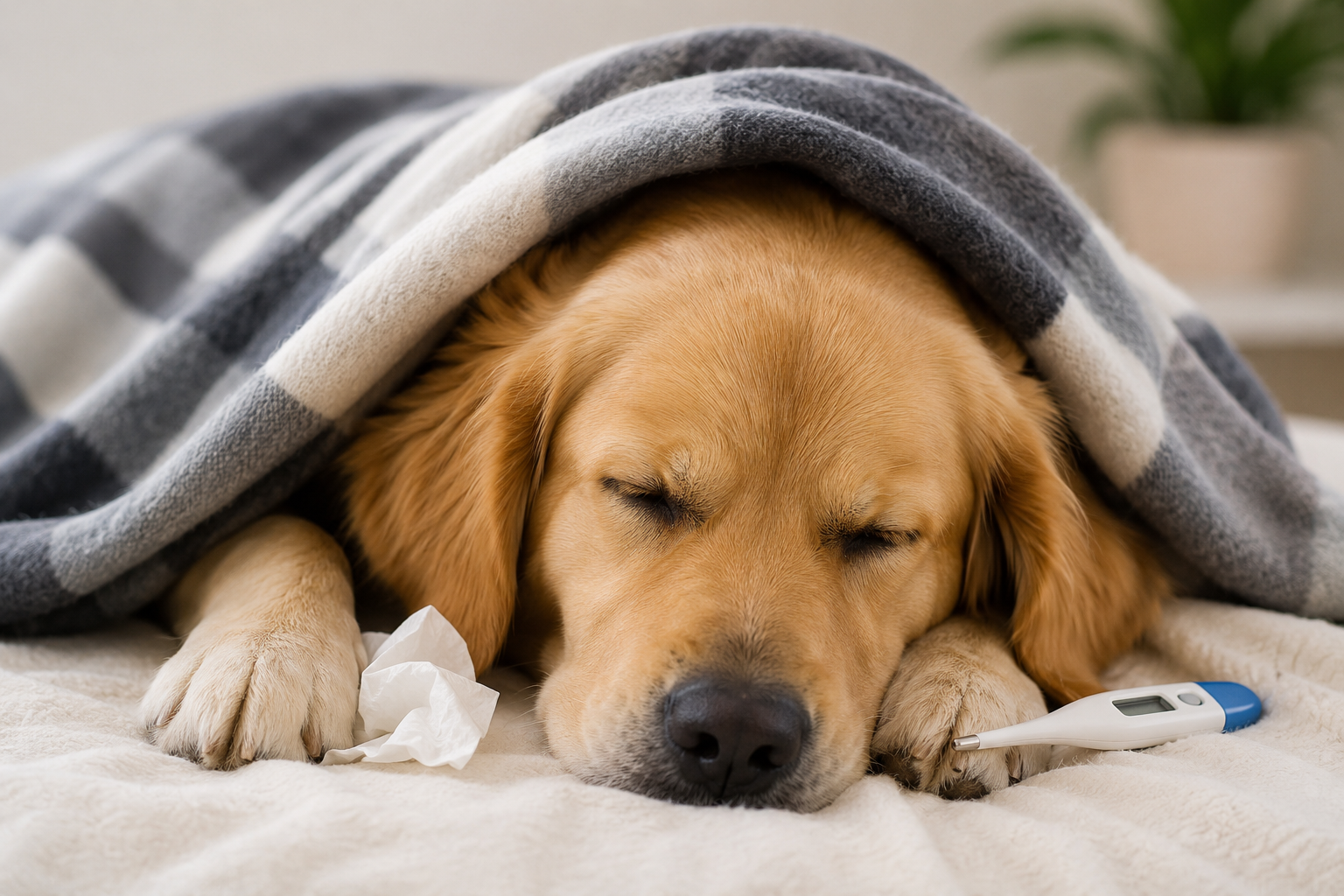
Fever is a natural immune response that helps the body fight infection. Dogs with fever often feel warm and appear less active than normal.
A fever may be accompanied by coughing, sneezing, and reduced appetite.
Lethargy
Dogs suffering from respiratory illness often become tired and less energetic. They may spend more time sleeping and avoid physical activity.
A sudden drop in energy is usually a sign that the body is fighting an infection.
Loss of Appetite
Many dogs lose interest in food when they are sick. Nasal congestion can reduce their ability to smell food, making meals less appealing.
Loss of appetite lasting longer than a day should be discussed with a veterinarian.
Difficulty Breathing
Difficulty breathing is one of the most serious respiratory symptoms. Dogs may breathe faster than normal or appear to struggle when inhaling.
Any signs of respiratory distress require immediate veterinary attention.
Common Causes of Dog Respiratory Illness
Kennel Cough
Kennel cough is one of the most common respiratory diseases in dogs. It spreads easily in dog parks, boarding facilities, training classes, and grooming salons.
The illness is highly contagious and often causes a dry honking cough. Most dogs recover within one to two weeks.
Canine Influenza
Canine influenza, also known as dog flu, is a contagious viral infection. It spreads through respiratory droplets released when infected dogs cough or sneeze.
Symptoms often include coughing, fever, nasal discharge, and lethargy.
Bordetella Infection
Bordetella bronchiseptica is a bacteria commonly associated with kennel cough. It spreads rapidly among dogs living or spending time together.
Vaccination can significantly reduce the risk of infection.
Pneumonia
Pneumonia develops when infection reaches the lungs. This condition is more serious than a typical upper respiratory infection.
Dogs with pneumonia may experience severe coughing, fever, breathing difficulties, and weakness.
Canine Respiratory Coronavirus
This virus affects the respiratory system and may contribute to kennel cough outbreaks. It spreads easily through close contact with infected dogs.
Affected dogs may develop coughing, sneezing, and nasal discharge.
Allergies and Environmental Irritants
Not all respiratory problems are caused by infections. Dust, pollen, mold, smoke, and cleaning chemicals can irritate the respiratory tract.
Long-term exposure to irritants may worsen respiratory symptoms and increase inflammation.
Kennel Cough Symptoms
Kennel cough remains one of the most searched respiratory illnesses among dog owners. Understanding its symptoms can help you identify the condition early.
Common kennel cough symptoms include:
- Dry hacking cough
- Honking cough
- Sneezing
- Runny nose
- Watery eyes
- Mild fever
- Reduced energy
- Decreased appetite
Most dogs recover without complications, but puppies and senior dogs may require additional care.
Mystery Dog Respiratory Illness
In recent years, veterinarians have reported unusual respiratory illnesses affecting dogs in several regions. These cases often resemble kennel cough but may last longer and respond poorly to traditional treatments.
Symptoms include coughing, sneezing, eye discharge, nasal discharge, fever, and lethargy. In some cases, the illness may progress to pneumonia.
Researchers continue studying these outbreaks to better understand the causes and improve treatment recommendations.
Dogs Most at Risk
Puppies
Young puppies have developing immune systems that may not be strong enough to fight infections effectively.
Vaccination and limited exposure to sick dogs are important during puppyhood.
Senior Dogs
Older dogs often have weaker immune systems and may already suffer from underlying health conditions.
Respiratory infections can become serious more quickly in senior pets.
Brachycephalic Breeds
Breeds such as Pugs, Bulldogs, and French Bulldogs naturally have narrower airways. This makes respiratory illnesses more dangerous for them.
Even mild infections can significantly affect breathing in these breeds.
Dogs With Weak Immune Systems
Dogs receiving certain medications or living with chronic diseases may have difficulty fighting infections.
Extra precautions should be taken to protect these dogs from exposure.
How Veterinarians Diagnose Respiratory Illness
Physical Examination
The veterinarian will listen to your dog’s lungs and airways. They will also assess breathing patterns and overall health.
Chest X-Rays
X-rays help identify pneumonia, lung inflammation, and other respiratory abnormalities.
PCR Testing
PCR testing can identify specific viruses and bacteria responsible for respiratory disease.
Blood Tests
Bloodwork helps determine the severity of infection and evaluates overall health status.
Treatment for Dog Respiratory Illness
Rest and Recovery
Rest is one of the most important parts of treatment. Physical activity should be limited until symptoms improve.
A quiet and comfortable environment supports healing.
Hydration
Fresh water should always be available. Proper hydration helps thin mucus and supports immune function.
Some dogs may benefit from warm broth added to meals.
Cough Medication
Veterinarians may prescribe medications to reduce coughing and improve comfort.
These medications are especially useful when coughing interferes with sleep.
Antibiotics
Bacterial infections often require antibiotics. Treatment should always be completed exactly as prescribed.
Stopping antibiotics early may allow infection to return.
Oxygen Therapy
Dogs experiencing severe breathing difficulties may require hospitalization and oxygen support.
This treatment helps improve oxygen levels while the lungs recover.
Pneumonia Treatment
Pneumonia often requires more aggressive treatment. Antibiotics, fluid therapy, and close monitoring are commonly needed.
Early intervention greatly improves recovery chances.
Homemade Chicken Recovery Recipe for Sick Dogs
Dogs recovering from respiratory illness often prefer soft, warm meals that are easy to eat and digest.
Ingredients
- 2 cups boiled chicken breast
- 1 cup cooked white rice
- ½ cup pumpkin puree
- 1 tablespoon fish oil
Instructions
- Cook the chicken thoroughly and shred it into small pieces.
- Combine the chicken, rice, and pumpkin in a bowl.
- Mix well and add fish oil.
- Serve slightly warm to encourage eating.
This simple recipe provides protein, energy, and nutrients while remaining gentle on the digestive system.
Home Care During Recovery
Provide your dog with a warm and quiet place to rest. Limiting stress allows the body to focus on healing.
Keep the environment free from smoke, dust, and strong chemical odors. These irritants can worsen respiratory symptoms.
Monitor food and water intake daily. Contact your veterinarian if symptoms worsen or appetite does not improve.
How to Prevent Respiratory Illness in Dogs
Keeping vaccinations current is one of the best ways to protect against common respiratory diseases.
Avoid contact with dogs showing signs of coughing, sneezing, or illness. During outbreaks, limit visits to dog parks and daycare facilities.
Clean bowls, toys, bedding, and grooming equipment regularly. Good hygiene reduces the spread of infectious organisms.
A healthy diet, regular exercise, and routine veterinary care help maintain a strong immune system.
When to Call a Veterinarian Immediately
Seek veterinary care if your dog has difficulty breathing, severe coughing, or refuses food and water.
High fever, blue gums, collapse, or extreme weakness should always be treated as emergencies.
Prompt medical attention can prevent complications and improve recovery outcomes.
Frequently Asked Questions
What are the first signs of respiratory illness in dogs
The earliest signs often include coughing, sneezing, nasal discharge, watery eyes, and mild lethargy.
Is kennel cough contagious
Yes. Kennel cough spreads easily between dogs through respiratory droplets and shared surfaces.
Can dog respiratory illness go away on its own
Some mild cases improve with rest, but severe infections require veterinary treatment.
How long does kennel cough last
Most dogs recover within 7 to 14 days, although coughing may persist slightly longer.
Can respiratory infections cause pneumonia
Yes. Untreated respiratory infections may spread to the lungs and cause pneumonia.
Should I isolate my sick dog
Yes. Isolation helps prevent the spread of contagious respiratory diseases.
Can vaccines help prevent respiratory illness
Vaccines can reduce the risk of Bordetella, canine influenza, and several other respiratory infections.
When should I worry about my dog’s cough
You should contact a veterinarian if coughing persists, worsens, or occurs alongside fever, breathing difficulty, or appetite loss.
Final Thoughts
Dog respiratory illness symptoms can range from mild coughing and sneezing to serious breathing problems. Recognizing these warning signs early can help ensure faster treatment and a better recovery.
With proper veterinary care, supportive treatment, good nutrition, and preventive measures, most dogs recover successfully and return to their normal healthy lives.