Dog Illness Treatment & Sick Dog Care Guide
If your dog is refusing food, vomiting, sleeping more than usual, or acting differently than normal, it is natural to feel concerned. Many pet owners search for dog illness treatment because they want to know how to help their dog recover and whether veterinary care is necessary.
Dogs can become sick for many different reasons, including infections, digestive problems, parasites, allergies, injuries, and chronic diseases. Some illnesses are mild and improve with supportive care at home, while others require immediate medical attention. Knowing the warning signs can help you make the right decisions for your dog’s health.
The good news is that many common dog illnesses can be treated successfully when recognized early. This guide explains common symptoms, treatment options, home remedies, prevention strategies, and a simple recovery recipe that may help support your dog during illness.
Homemade Recovery Dog Food Recipe
A bland homemade diet can help support digestion and encourage eating while your dog is recovering from a mild illness. Always consult your veterinarian before changing your dog’s diet during illness.
Ingredients
- 2 cups boiled skinless chicken breast
- 1 cup cooked white rice
- ½ cup plain pumpkin puree
- ½ cup cooked carrots
Instructions
- Boil the chicken until fully cooked.
- Cook the rice separately until soft.
- Steam the carrots until tender.
- Shred the chicken into small pieces.
- Mix all ingredients thoroughly and allow the food to cool before serving.
Feeding Guidelines
Offer small portions several times throughout the day instead of one large meal. Smaller meals are often easier for sick dogs to digest and may reduce nausea or stomach discomfort. Fresh drinking water should always be available to help prevent dehydration and support recovery.
- How to Store Homemade Dog Food Safely
- Homemade Chicken Dog Food for Dogs Not Eating
- Zone Recipes for Pet Owners: High Protein Dog Food Recipes
What Are the Common Signs of Illness in Dogs
Dogs cannot tell us when they feel sick, so it is important to pay attention to changes in their behavior, appetite, and activity levels. Many illnesses begin with subtle symptoms that become more noticeable over time. Early recognition often leads to faster treatment and better recovery outcomes.
Loss of Appetite
A dog that suddenly refuses food may be experiencing pain, illness, stress, or digestive discomfort. While skipping a meal occasionally is not always serious, appetite loss lasting more than 24 hours should be investigated. Persistent refusal to eat often indicates an underlying health problem.
Vomiting
Occasional vomiting may occur after eating something unusual or irritating. However, repeated vomiting can indicate infections, digestive disorders, poisoning, or more serious medical conditions. Frequent vomiting can also increase the risk of dehydration.
Diarrhea
Diarrhea is one of the most common signs of illness in dogs and can occur for many different reasons. Mild cases may resolve within a day, but prolonged diarrhea can lead to dehydration, weakness, and nutrient loss. Monitoring stool quality can help determine whether the condition is improving.
Lethargy
Dogs that appear unusually tired, weak, or uninterested in activities they normally enjoy may be suffering from illness. Lethargy often accompanies infections, pain, digestive issues, and chronic diseases. Sudden decreases in energy should never be ignored.
Weight Loss
Unexplained weight loss may indicate that an illness is affecting your dog’s ability to absorb nutrients or maintain normal body functions. Conditions such as diabetes, kidney disease, parasites, and digestive disorders commonly cause weight loss. Veterinary evaluation is recommended whenever unexpected weight changes occur.
Excessive Thirst
Drinking significantly more water than normal may indicate diabetes, kidney disease, infections, or hormonal disorders. Increased thirst that continues for several days should be investigated by a veterinarian. Monitoring water intake can help identify health problems early.
Coughing
Persistent coughing may indicate respiratory infections, allergies, heart disease, or airway irritation. While occasional coughing may not be serious, frequent or worsening coughing requires medical evaluation. Early treatment often prevents complications.
Common Causes of Dog Illness
Many health conditions can make dogs sick, ranging from minor infections to serious chronic diseases. Understanding common causes can help owners recognize symptoms and seek treatment promptly. Early diagnosis often improves recovery outcomes.
Viral Infections
Viruses can cause symptoms such as fever, coughing, vomiting, diarrhea, and loss of appetite. Some viral diseases spread rapidly and may become life-threatening without treatment. Vaccination remains one of the most effective prevention methods.
Bacterial Infections
Bacterial infections can affect the skin, ears, lungs, urinary tract, and digestive system. These infections often require prescription medications and professional veterinary care. Prompt treatment helps prevent complications and speeds recovery.
Parasites
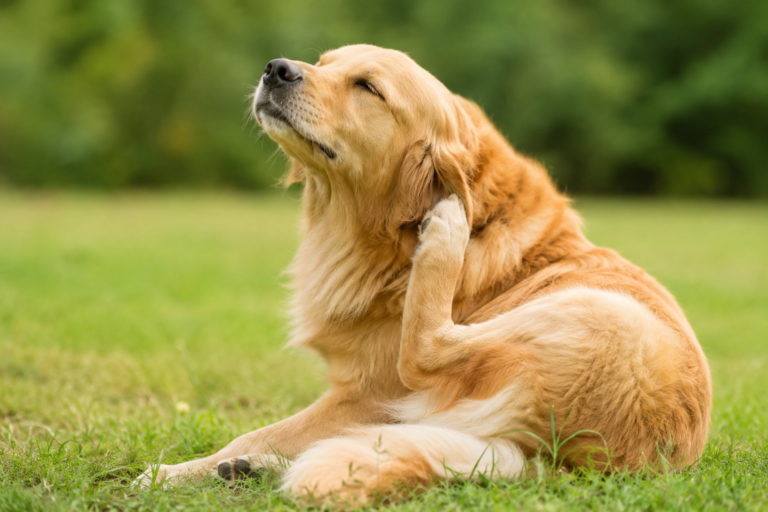
Parasites such as fleas, ticks, worms, and intestinal parasites can cause discomfort and illness. Symptoms may include digestive problems, weight loss, itching, weakness, and poor coat condition. Regular parasite prevention is important for long-term health.
Digestive Disorders
Food intolerance, sudden dietary changes, gastrointestinal infections, and chronic digestive diseases commonly cause vomiting and diarrhea. Some digestive issues resolve quickly while others require long-term management. Monitoring symptoms helps determine when veterinary care is necessary.
Chronic Health Conditions
Long-term diseases such as diabetes, kidney disease, liver disease, heart disease, and arthritis may cause ongoing symptoms. These conditions often require regular monitoring and treatment. Early diagnosis can improve quality of life and slow disease progression.
Dog Illness Treatment Options
Treatment depends on the underlying cause of illness and the severity of symptoms. Some dogs recover with supportive care, while others require medication or advanced treatment. A veterinarian can determine the most appropriate treatment plan.
Veterinary Examination
A veterinary examination is often the first step in identifying the cause of illness. Your veterinarian may perform a physical exam and recommend diagnostic testing such as blood work or imaging. Accurate diagnosis helps ensure effective treatment.
Medication
Prescription medications may be used to treat infections, inflammation, pain, parasites, and digestive disorders. The correct medication depends on the underlying cause of illness. Always administer medications exactly as directed by your veterinarian.
Fluid Therapy
Dogs suffering from dehydration may require fluid therapy to restore hydration and electrolyte balance. Proper hydration supports organ function and helps the body recover more efficiently. Severe dehydration often requires immediate medical care.
Nutritional Support
Special diets may be recommended to support recovery and maintain proper nutrition. Easily digestible foods are often used for dogs recovering from digestive illness. Good nutrition helps improve energy levels and supports healing.
Rest and Monitoring
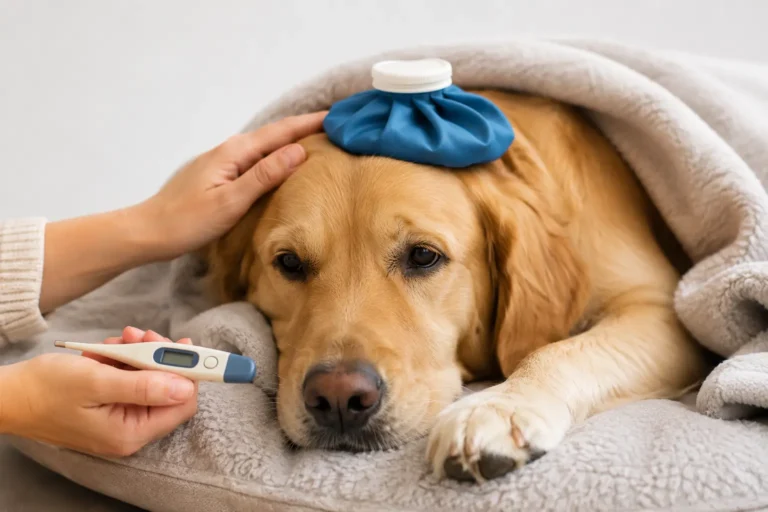
Many mild illnesses improve with adequate rest and close observation. Limiting physical activity allows the body to focus on recovery and reduces additional stress. Monitoring symptoms closely helps determine whether improvement is occurring.
Dog Illness Home Remedies
Home remedies cannot replace veterinary treatment, but they may help support recovery in mild cases. Always seek veterinary advice if symptoms worsen or persist.
Encourage Hydration
Fresh water should always be available for a sick dog. Proper hydration supports circulation, digestion, and overall recovery. Dogs experiencing vomiting or diarrhea may need extra encouragement to drink.
Feed a Bland Diet
Boiled chicken, white rice, and pumpkin are commonly recommended for mild digestive upset. These foods are generally easy to digest and may help settle the stomach. Small meals throughout the day are often better tolerated.
Provide Rest
A quiet and comfortable environment helps reduce stress and supports recovery. Most sick dogs benefit from additional sleep and relaxation. Limiting strenuous activity can help conserve energy.
Monitor Symptoms
Track changes in appetite, water intake, energy levels, vomiting, diarrhea, and breathing patterns. Careful observation can help identify worsening symptoms early. This information is also useful when speaking with your veterinarian.
Avoid Human Medications
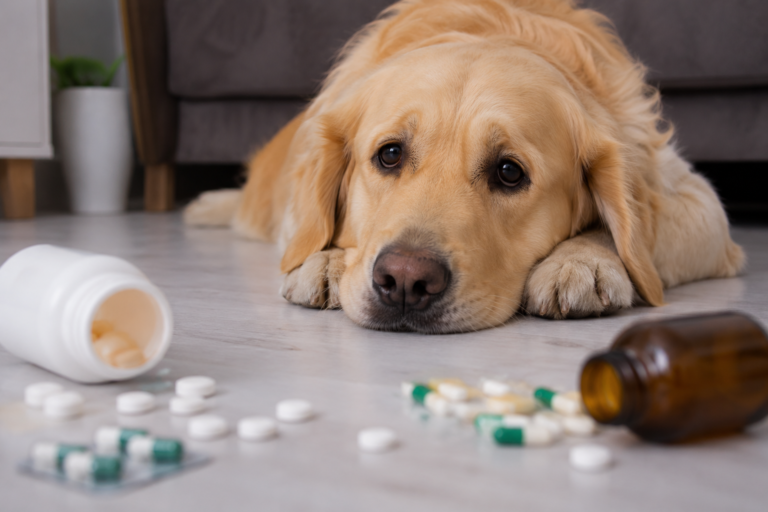
Many medications designed for humans can be dangerous or toxic to dogs. Giving the wrong medication may worsen the illness or cause additional health problems. Always consult a veterinarian before administering any medication.
When to Take Your Dog to the Vet
Some symptoms should never be ignored because they may indicate a serious medical condition. Early treatment can prevent complications and improve outcomes.
Persistent Vomiting
Vomiting that continues for more than 24 hours or occurs repeatedly requires veterinary evaluation. Ongoing vomiting increases the risk of dehydration and nutritional deficiencies. Medical treatment may be necessary.
Severe Diarrhea
Severe or prolonged diarrhea can quickly cause dehydration and weakness. Dogs may also lose important nutrients and electrolytes. Veterinary care is recommended if diarrhea does not improve quickly.
Refusing Food and Water
Dogs that refuse both food and water may become dehydrated rapidly. This can lead to serious complications if left untreated. Veterinary attention should be sought promptly.
Difficulty Breathing
Breathing problems should always be treated as an emergency. Labored breathing, wheezing, or gasping may indicate a serious condition. Immediate veterinary care is necessary.
Seizures
Any seizure activity should be evaluated by a veterinarian as soon as possible. Seizures may indicate neurological disorders, poisoning, or metabolic disease. Prompt diagnosis is important.
Blood in Vomit or Stool
Blood may indicate infection, injury, poisoning, or digestive disease. This symptom should never be ignored. Veterinary evaluation is strongly recommended.
Collapse
Collapse or extreme weakness is considered a medical emergency. Immediate veterinary treatment may be required to save your dog’s life.
Final Thoughts
Dog illness treatment depends on identifying the underlying cause and providing appropriate care. While some mild illnesses improve with rest, hydration, and supportive home care, more serious conditions require veterinary treatment. If your dog develops persistent symptoms, worsening illness, or emergency warning signs, seek veterinary attention immediately. Early diagnosis and treatment often lead to faster recovery and better long-term health.
Frequently Asked
Can I Treat a Sick Dog at Home
Mild illnesses may improve with hydration, rest, and a bland diet such as boiled chicken and rice. Providing a quiet environment and monitoring your dog’s symptoms can also support recovery. However, if symptoms persist, worsen, or new symptoms develop, your dog should be examined by a veterinarian as soon as possible.
What Should I Feed a Sick Dog
Boiled chicken, white rice, and plain pumpkin are commonly recommended for dogs recovering from digestive upset. These foods are easy to digest and may help settle the stomach while providing essential nutrients. Feeding small meals throughout the day is often more comfortable for a sick dog than offering large portions at once.
When Should I Take My Dog to the Vet
You should contact a veterinarian if symptoms last longer than 24 hours, become more severe, or include emergency warning signs such as difficulty breathing, seizures, or collapse. Early diagnosis and treatment can prevent complications and improve your dog’s chances of a faster recovery.
What Are Common Signs of Illness in Dogs
Loss of appetite, vomiting, diarrhea, lethargy, coughing, excessive thirst, and unexplained weight loss are among the most common signs of illness in dogs. Changes in behavior, sleeping habits, or activity levels can also indicate that something is wrong and should be monitored carefully.
Can Dehydration Make a Dog Sick
Yes, dehydration can worsen existing illnesses and affect many important body functions. Dogs that are vomiting, experiencing diarrhea, or refusing to drink water are especially at risk. Severe dehydration can become life-threatening if it is not treated promptly.
What Should I Do If My Dog Refuses Food
Monitor your dog’s water intake and look for other symptoms such as vomiting, diarrhea, weakness, or lethargy. A temporary loss of appetite may occur with mild illness, but refusing food for more than 24 hours should not be ignored. If the problem continues, contact your veterinarian for advice and evaluation.