Homemade Grain-Free Dog Food
Making your dog’s meals at home can give you more control over the ingredients you use. If you are looking for a simple grain-free option, this homemade grain free dog food recipe combines animal protein with dog-safe vegetables while keeping the preparation straightforward.
This guide shows you how to prepare an easy homemade grain free dog food meal, how much to feed, which ingredients can be used, how to store it, and what to consider when creating a balanced homemade diet.
Homemade Grain-Free Dog Food Recipe
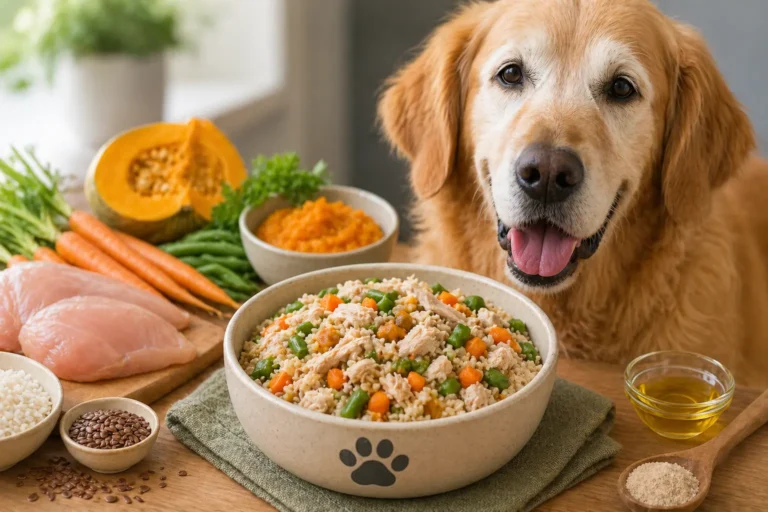
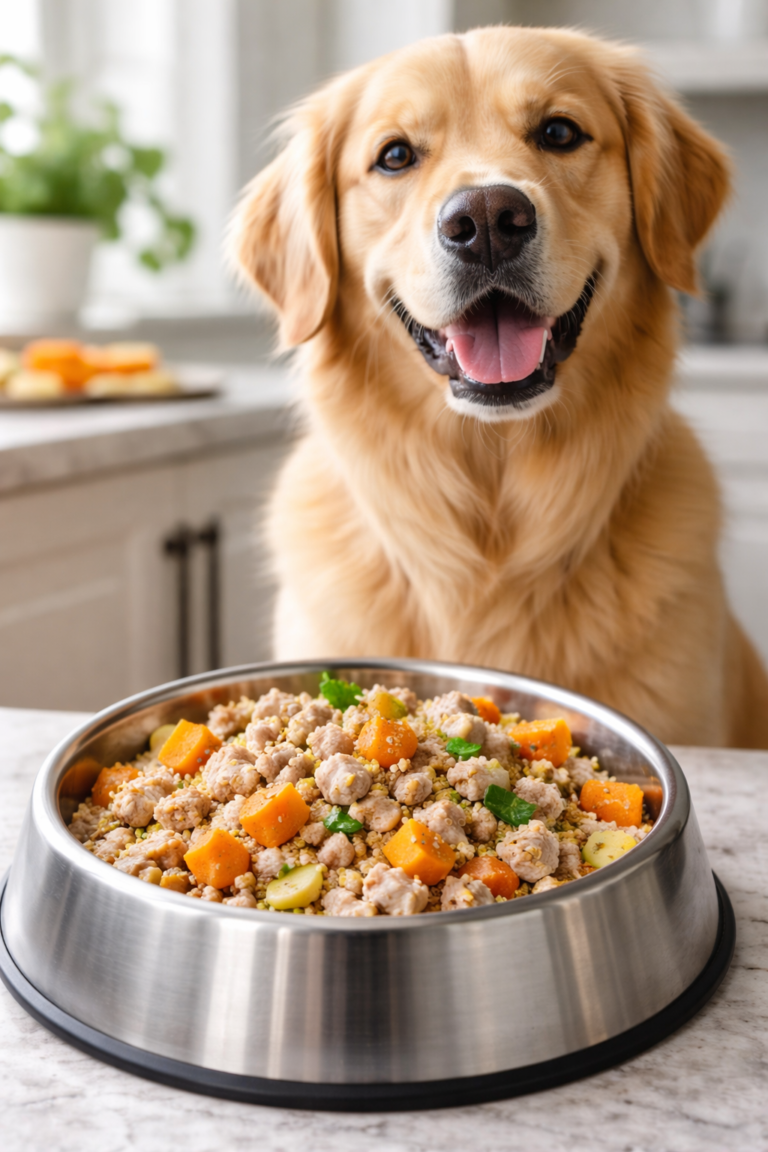
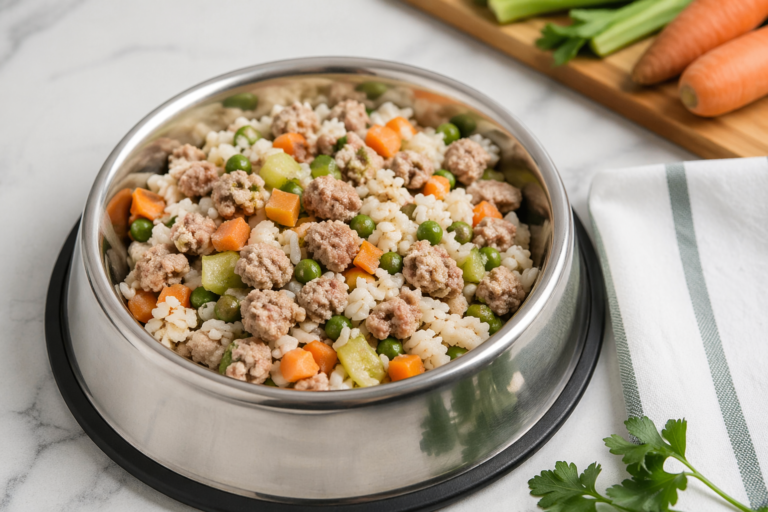
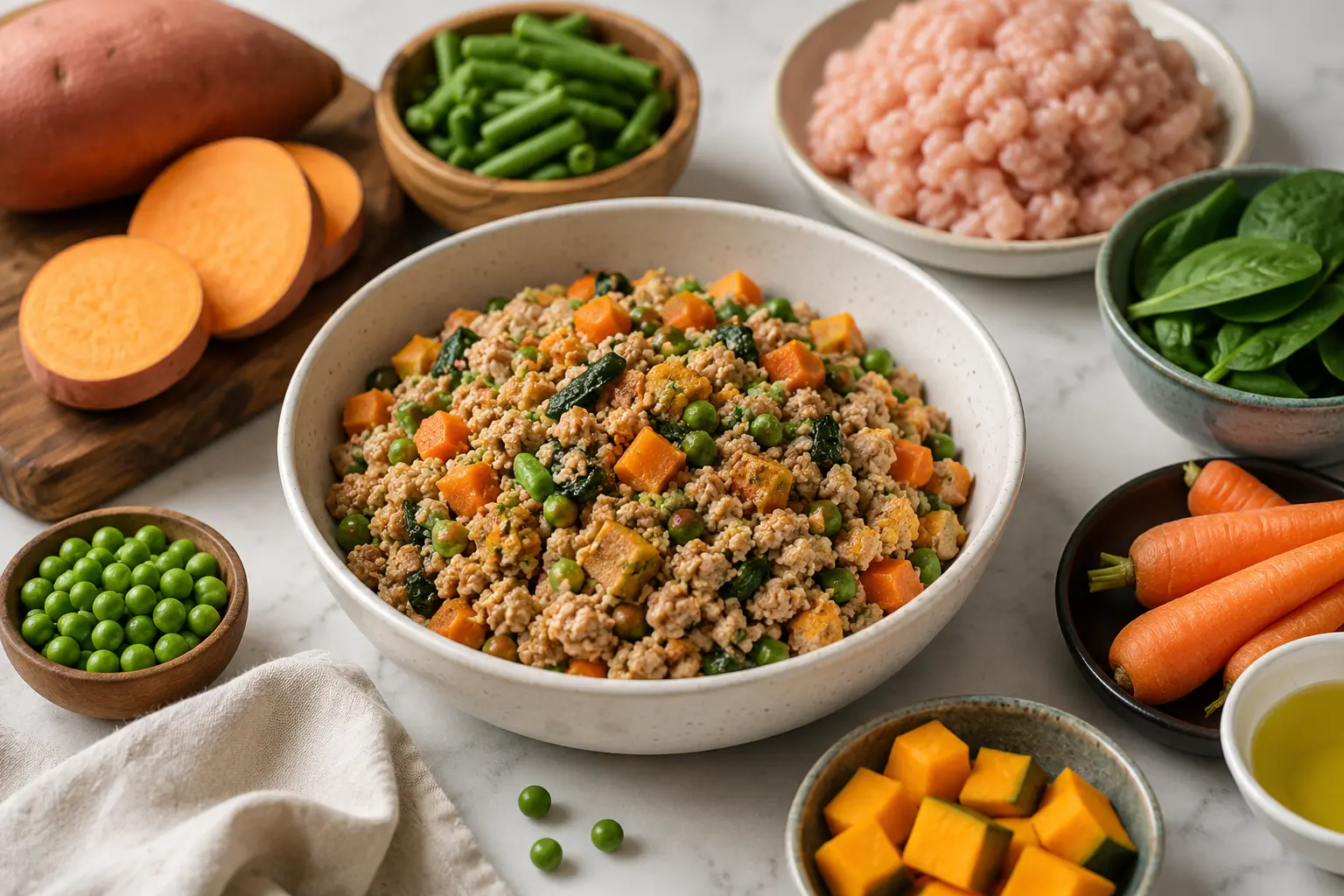
This simple recipe uses ground turkey as the main protein source and can be combined with vegetables such as sweet potatoes, pumpkin, carrots, and green beans. These ingredients can provide protein, fiber, and a variety of nutrients while keeping the meal free from common grains.
Ingredients
For a basic grain-free dog food recipe, you can use:
- Ground turkey
- Sweet potatoes
- Pumpkin
- Carrots
- Green beans
- Eggs, when appropriate
- A suitable source of healthy fats
- A veterinarian-recommended supplement when required
Use plain ingredients without sauces, heavy seasoning, onion, garlic, or excessive salt. The exact quantities should be adjusted according to the recipe and your dog’s individual nutritional needs.
Equipment You Need
You do not need complicated equipment to prepare homemade dog meals. A large cooking pot or crockpot, cutting board, knife, measuring utensils, mixing spoon, and airtight storage containers are generally enough.
A crockpot can also be useful when preparing a larger batch because it allows the ingredients to cook together with minimal preparation.
Instructions
Start by preparing the ground turkey and vegetables. Cook the turkey thoroughly and prepare the vegetables until they are soft enough for your dog to eat comfortably.
Combine the cooked ingredients and allow the mixture to cool before serving. Do not add seasonings or sauces commonly used in human meals, as some ingredients can be unsafe for dogs.
If you plan to use this as your dog’s regular food, the recipe should be evaluated for nutritional adequacy rather than assuming that meat and vegetables alone provide everything your dog needs.
Recipe Tips
Introduce homemade food gradually, especially if your dog is not accustomed to a homemade canine diet. Start with small amounts and observe your dog’s response to new ingredients.
For dogs with food allergies, food sensitivities, or a sensitive stomach, keeping the ingredient list simple can make it easier to identify foods that may cause digestive problems.
Recipe Notes
A homemade meal can be useful as part of a dog’s diet, but a recipe that works as an occasional meal is not automatically suitable as a complete long-term diet.
Your dog’s age, size, activity level, health, and nutritional requirements should be considered before making homemade food a primary diet.
For more homemade dog meals and dog nutrition resources, visit Dog Food Zone.
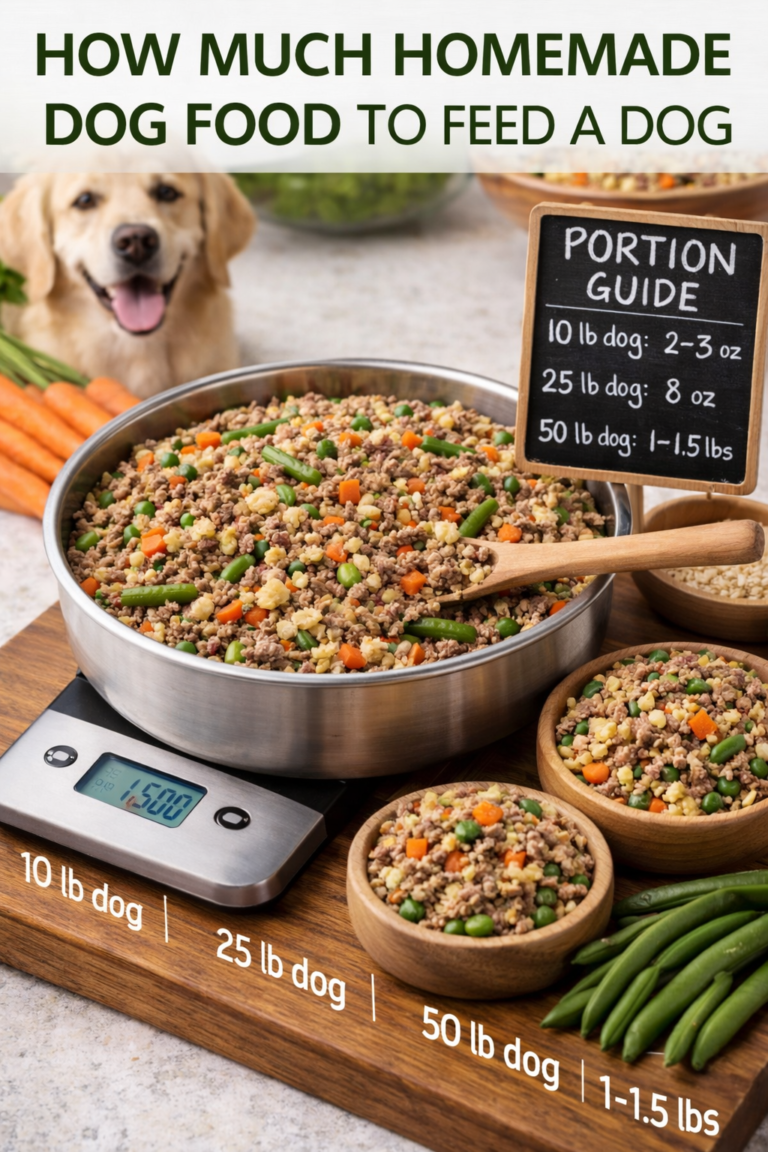
How Much Homemade Dog Food Should You Feed?
There is no universal serving size for homemade dog food. The right amount depends on your dog’s body size, age, activity level, current weight, calorie requirements, and overall health.
Puppies have different nutritional requirements because they are growing, while adult and senior dogs may need different calorie levels depending on their activity and health.
Rather than following a fixed homemade dog food serving size, monitor your dog’s body condition and adjust portions when appropriate. If your dog’s weight changes unexpectedly, discuss feeding amounts with a veterinarian.
What Ingredients Are Best for Homemade Grain-Free Dog Food?
The quality and variety of ingredients are important when preparing homemade dog food. Removing grains should not be the only goal; the meal should also provide appropriate nutrients.
Protein Sources
Protein is an important part of a dog’s diet. Common animal protein sources for homemade meals include:
- Chicken
- Ground turkey
- Lean beef
- Fish
- Salmon
- Eggs
Choose plain, properly cooked protein and avoid ingredients that contain excessive salt, sauces, or seasonings.
Grain-Free Vegetables
Vegetables can provide dietary fiber and other nutrients. Common options include:
- Sweet potatoes
- Pumpkin
- Carrots
- Green beans
- Spinach
- Peas
Sweet potatoes and pumpkin are popular ingredients in homemade dog meals, while carrots and green beans can add variety and fiber.
Healthy Fats and Essential Nutrients
Dogs also need appropriate amounts of healthy fats and essential nutrients. Fish oil can provide omega-3 fatty acids, but supplements should be used carefully rather than added without considering the complete diet.
Calcium, vitamins, minerals, and other nutrients are also important. A meal made only from meat and vegetables may not provide all the nutrients a dog requires.
How to Make Homemade Dog Food Complete and Balanced?
A balanced homemade dog food recipe needs more than a good protein source and a few vegetables. Dogs require appropriate amounts of protein, fats, vitamins, minerals, calcium, essential fatty acids, and other nutrients.
Nutritional deficiencies can develop when homemade diets are not properly formulated. This is especially important if homemade food is going to replace commercial dog food for an extended period.
A veterinary nutritionist can help create or evaluate a recipe based on your dog’s individual nutritional requirements. Supplements may sometimes be needed, but the type and amount should depend on the complete recipe.
For additional information about dog nutrition and homemade feeding, explore Dog Food Zone.
Is Grain-Free Dog Food Good for Dogs?
Grain-free does not automatically mean healthier or more nutritious. Some dogs may need specific dietary changes because of food allergies or sensitivities, but removing grains alone does not guarantee that a diet is appropriate.
Grains such as rice, wheat, and corn are not the only factors that determine whether a dog food is healthy. The overall nutritional composition and quality of the diet are more important.
If you are considering a grain-free diet because your dog has recurring digestive issues or suspected food allergies, speak with a veterinarian before making major dietary changes.
Homemade Dog Food for Sensitive Stomachs
Dogs with sensitive stomachs may react differently to certain ingredients. When introducing homemade food, use simple ingredients and make changes gradually instead of switching the entire diet suddenly.
Food sensitivities and food allergies can have different causes. A grain-free recipe may not solve the problem if the actual trigger is another ingredient.
If your dog regularly experiences digestive upset or other suspected food-related reactions, veterinary guidance can help determine the appropriate dietary approach.
Foods to Avoid in Homemade Dog Food
Safe ingredients are essential when preparing homemade meals. Avoid adding onion, garlic, excessive salt, heavily seasoned sauces, and other ingredients that may be harmful to dogs.
Human recipes often contain spices, sauces, and additives that are unnecessary for dogs. Keep homemade dog food plain and use ingredients that are known to be appropriate for canine diets.
If you are unsure about an ingredient, check its safety before including it in your dog’s meal.
How to Store Homemade Dog Food
Proper dog food storage helps maintain food quality and reduce spoilage. After cooking, allow the meal to cool appropriately and place it in clean, airtight containers.
Keep portions that will be used soon in the refrigerator and freeze additional portions when appropriate. Dividing a large batch into individual serving containers can make daily feeding easier.
When serving frozen food, thaw it safely and avoid repeatedly freezing and thawing the same portion. Always check stored food for unusual odor, appearance, or other signs of spoilage before feeding.
Homemade Grain-Free Dog Food Recipe Variations
Once you understand the basic recipe structure, you can create different grain-free dog meal ideas using suitable ingredients.
Chicken and Vegetable Dog Food
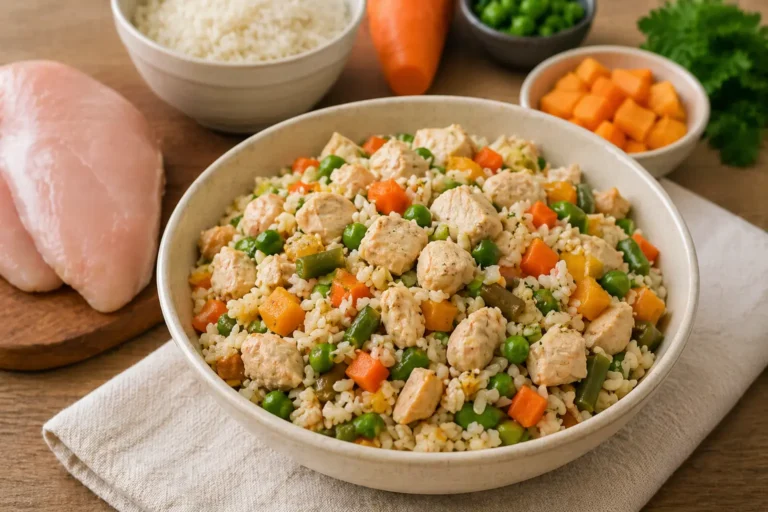
Cooked chicken can be paired with vegetables such as carrots, pumpkin, or green beans. This provides an alternative to turkey while keeping the meal grain-free.
Beef and Vegetable Dog Food
Lean beef can be used as another animal protein source. Combine it with appropriate vegetables and make sure the overall diet remains nutritionally balanced.
Fish-Based Dog Food
Fish such as salmon can provide protein and omega-3 fatty acids. Prepare fish thoroughly and remove unsafe bones before serving.
Turkey and Sweet Potato Dog Food
Turkey and sweet potato make a simple combination for homemade dog meals. However, if the meal is fed regularly, its complete nutrient profile should be considered rather than treating the combination as automatically balanced.
Frequently Asked Questions
Is homemade grain-free dog food healthy?
It can be appropriate when the ingredients and overall nutrient levels meet the dog’s individual needs. Grain-free alone does not make a meal complete or healthier.
What ingredients can I use in grain-free dog food?
Common ingredients include chicken, turkey, lean beef, fish, eggs, sweet potatoes, pumpkin, carrots, and green beans. Ingredients should be selected according to your dog’s nutritional and health needs.
Can dogs eat sweet potatoes?
Cooked sweet potatoes are commonly included in homemade dog food. They should be prepared plainly and served in an appropriate amount.
Can dogs eat vegetables?
Many dog-safe vegetables can be included in homemade meals. Carrots, green beans, pumpkin, and other suitable vegetables can provide variety and dietary fiber.
Can puppies eat homemade grain-free dog food?
Puppies have specific nutritional requirements for growth, so their homemade diet needs to be properly formulated. A simple mixture of meat and vegetables may not provide everything a growing puppy needs.
How much homemade food should I feed my dog?
The amount depends on your dog’s size, age, activity level, health, and calorie requirements. A veterinarian can help determine an appropriate feeding amount.
Does homemade dog food need supplements?
Some homemade diets may require supplements to provide nutrients that are difficult to obtain in the correct amounts from food alone. Supplements should be selected based on the complete recipe and your dog’s nutritional requirements.
Nutrition Information
The nutrition of homemade dog food depends on the ingredients, quantities, cooking method, and serving size. Because recipes can vary significantly, nutrition information should be calculated from the actual ingredients used.
For regular feeding, nutritional adequacy is more important than simply focusing on calories or protein. A balanced canine diet should provide the essential nutrients required by the individual dog.
Important Disclaimer
Homemade dog food should be prepared with your dog’s individual nutritional needs in mind. Grain-free and homemade do not automatically mean complete, balanced, or healthier for every dog.
If you plan to feed homemade food as your dog’s primary diet, especially for puppies, senior dogs, or dogs with allergies or health concerns, consult a veterinarian or veterinary nutritionist. Professional guidance can help ensure that the diet provides the essential nutrients your dog needs.
Final Thoughts on Homemade Grain-Free Dog Food
Homemade grain-free dog food can give you greater control over the ingredients in your dog’s meals while allowing you to create different meal combinations. The most important factors are using safe ingredients, appropriate portions, proper food storage, and ensuring that the overall diet meets your dog’s nutritional needs.
If you want more recipes, ingredient guides, and practical information about grain free dog food homemade, visit Dog Food Zone for additional dog food and nutrition resources.