Homemade Dog Food Without Chicken Recipe
Easy homemade dog food without chicken. Balanced, nutritious recipe with safe ingredients, feeding tips, and expert guidance for dog owners.
Homemade Dog Food Without Chicken
Many dogs thrive on chicken-based diets, but for some, chicken can trigger allergies, digestive upset, or food sensitivities. If your dog needs a chicken-free option, making homemade dog food without chicken can be a practical and nourishing solution.
This guide provides a balanced, easy-to-make recipe along with important nutrition tips to help you support your dog’s health safely and responsibly.
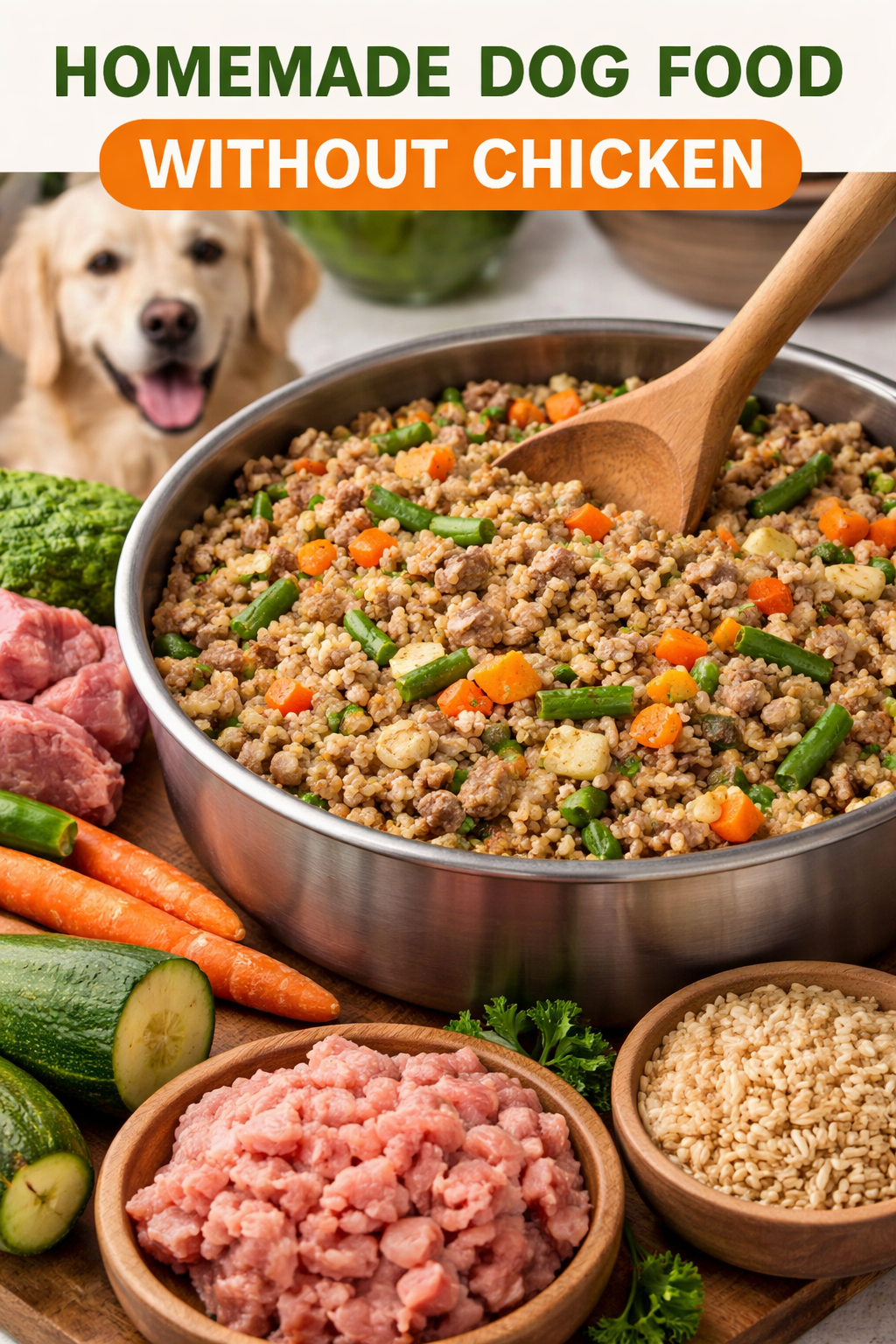
Recipe: Turkey & Beef Homemade Dog Food (Chicken-Free)
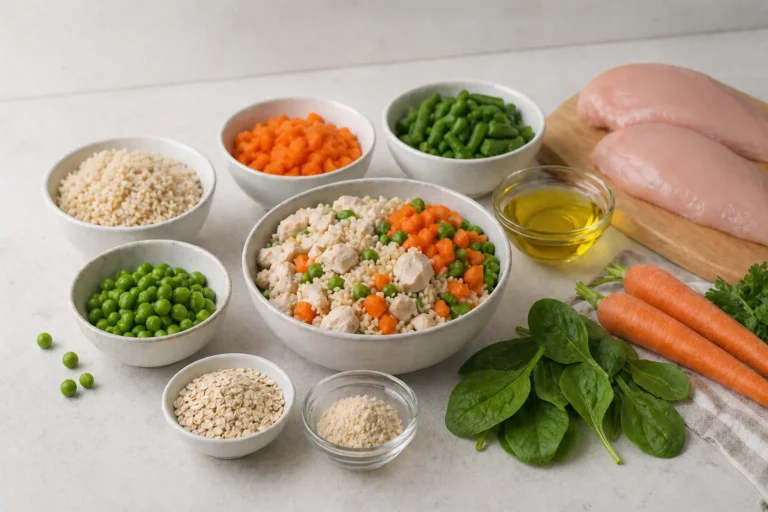
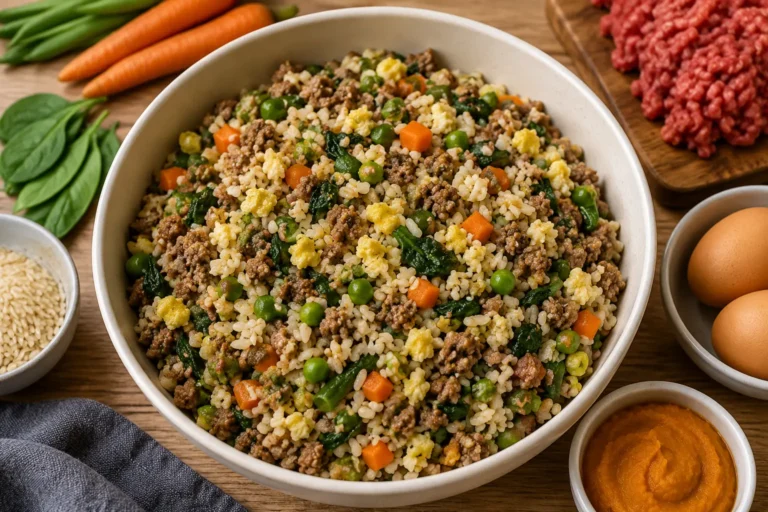
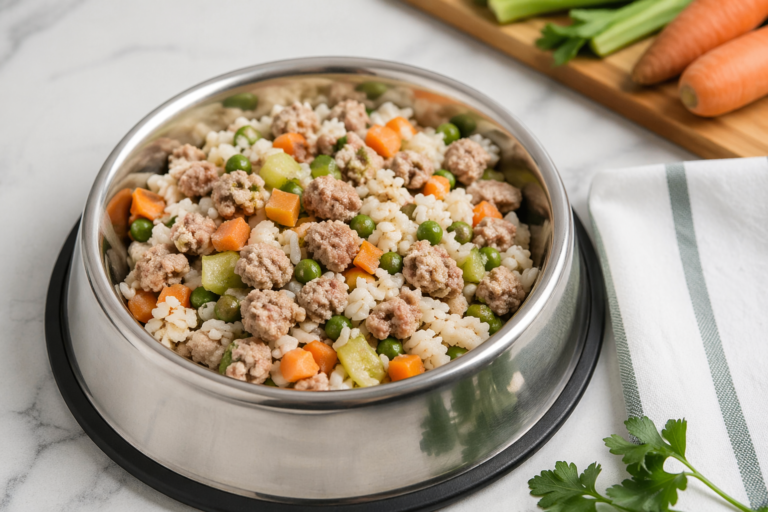
This hearty homemade dog food without chicken uses lean turkey and beef as high-quality protein sources. Combined with brown rice and safe vegetables for dogs, it offers a balanced, digestible meal suitable for many adult dogs.
Ingredients
- 1 pound lean ground turkey
- 1 pound lean ground beef
- 1 cup brown rice (uncooked)
- 1 cup chopped carrots
- 1 cup chopped zucchini
- ½ cup green beans (fresh or frozen)
- 1 tablespoon olive oil
- 1 teaspoon ground eggshell powder (optional calcium source)
- 3 cups water
Step-by-Step Preparation
- Cook the brown rice according to package instructions and set aside.
- In a large pot, cook the ground turkey and ground beef over medium heat until fully browned. Drain excess fat.
- Add chopped carrots, zucchini, green beans, and water to the pot.
- Simmer for 10–15 minutes until vegetables are soft.
- Stir in the cooked rice and olive oil.
- Let the mixture cool completely before serving.
- Add eggshell powder after cooling if using.
Basic Feeding Guidance
Portion size depends on your dog’s weight, age, and activity level. As a general guideline, most adult dogs eat about 2–3% of their body weight in food per day, divided into two meals.
Monitor your dog’s weight and energy levels, and adjust portions gradually if needed. Always introduce new food slowly over 5–7 days to support digestion.
Storage Instructions
- Store in an airtight container in the refrigerator for up to 3–4 days.
- Freeze in individual portions for up to 2–3 months.
- Thaw in the refrigerator overnight before serving.
- Never serve spoiled or sour-smelling food.
Why Would a Dog Need Homemade Dog Food Without Chicken?
Some dogs develop sensitivities or allergies to chicken, even though it’s a common protein in commercial dog food. Symptoms may include itching, ear irritation, digestive upset, or loose stools. Switching to alternative protein sources can sometimes help reduce these issues.
Chicken is widely used in both dry kibble and wet formulas, making it difficult to avoid unless you read labels carefully. Homemade dog food without chicken gives you full control over ingredients, helping you eliminate potential triggers and simplify your dog’s diet.
Is This Recipe Nutritionally Balanced for Dogs?
This recipe provides protein, carbohydrates, healthy fats, and safe vegetables for dogs. Turkey and beef deliver essential amino acids, while brown rice offers digestible carbohydrates for energy. Vegetables contribute fiber, vitamins, and antioxidants.
However, homemade dog food must be carefully planned to support long-term dog nutrition. Dogs require specific levels of calcium, phosphorus, fatty acids, and certain vitamins. While this recipe can work well as part of a rotation diet, consult a veterinarian or pet nutrition professional to ensure it meets your dog’s specific needs.
Dog or puppy owner? Explore our helpful care guides.
- Dog Care Hub puppy care section
- High Protein Homemade Dog Food Recipe Guide
- Homemade Dog Food for Allergies: Easy Recipe
- Grain Free Homemade Dog Food Recipe Guide
- Homemade Dog Food for Senior Dogs Recipe
What Are the Best Chicken-Free Protein Sources for Dogs?
Excellent protein sources include turkey, beef, lamb, pork, duck, salmon, and certain white fish. These options provide high-quality amino acids that support muscle maintenance, immune function, and overall health.
Rotating protein sources may help reduce the risk of developing additional food sensitivities. For example, if your dog cannot tolerate chicken, turkey or fish may be easier to digest. Always introduce new proteins gradually to avoid upsetting your dog’s digestion.
Which Vegetables Are Safe in Homemade Dog Food?
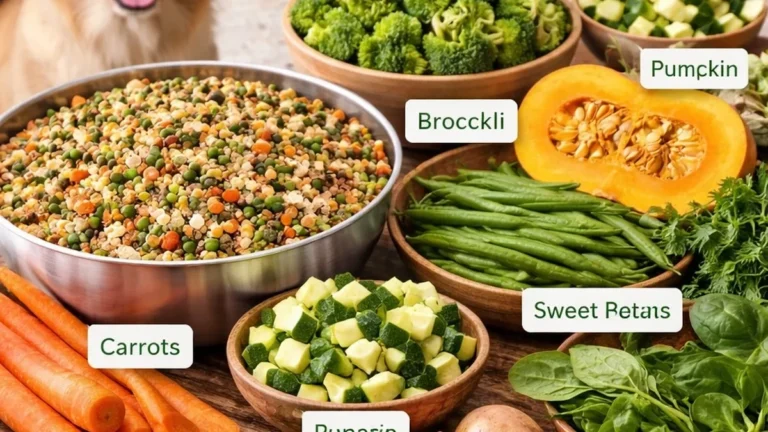
Safe vegetables for dogs include carrots, green beans, zucchini, peas, spinach (in moderation), and pumpkin. These vegetables add fiber and micronutrients without excessive calories.
Avoid onions, garlic, leeks, and chives, as they are toxic to dogs. Also skip heavily seasoned or salted vegetables. When preparing homemade dog food without chicken, keep ingredients simple and avoid spices, butter, or sauces that could irritate your dog’s stomach.
How Much Homemade Dog Food Should You Feed?
Portion size depends on body weight, metabolism, and activity level. In general, adult dogs need roughly 2–3% of their body weight daily. Highly active dogs may require slightly more, while less active dogs may need less.
For example, a 40-pound adult dog might eat approximately 0.8 to 1.2 pounds of food per day, split into two meals. Monitor your dog’s body condition score. You should be able to feel the ribs without seeing them prominently. Adjust portions gradually rather than making sudden changes.
Homemade vs Commercial Dog Food: Which Is Better?
Homemade vs commercial dog food is a common debate among dog owners. Homemade meals allow full ingredient control and may help manage allergies or sensitivities. You know exactly what protein sources and vegetables are included.
Commercial dog food, especially high-quality brands, is formulated to meet established nutritional standards. It often includes added vitamins and minerals to support a balanced diet. Some owners choose a hybrid approach, rotating between carefully selected commercial food and vet-approved homemade recipes.
When Is a Chicken-Free Diet Most Suitable?
A chicken-free diet may be suitable for dogs with confirmed food allergies, recurring digestive issues linked to poultry, or chronic itching that improves when chicken is removed. It can also be useful during elimination diets under veterinary supervision.
However, not every itchy or sensitive dog is allergic to chicken. Environmental allergies are also common. Before permanently removing chicken from your dog’s diet, discuss symptoms with a veterinarian to identify the root cause.
Possible Risks and Limitations of Homemade Dog Food
While homemade dog food without chicken can be nourishing, it carries potential risks if not properly balanced. Long-term nutrient deficiencies, especially calcium or essential fatty acids, can occur if recipes lack variety or supplementation.
Inconsistent portion control may also lead to weight gain or loss. Dogs have specific nutritional needs that differ from humans. Avoid sharing seasoned leftovers or assuming that a human “healthy meal” automatically meets canine dog nutrition requirements.
When Should You Consult a Veterinarian?
You should consult a veterinarian before making major diet changes, especially if your dog has allergies, chronic health conditions, or digestive concerns. Puppies, senior dogs, and pregnant or nursing dogs have different nutritional needs that require professional guidance.
If your dog experiences persistent vomiting, diarrhea, lethargy, or worsening skin issues after switching foods, seek veterinary advice promptly. A professional can help tailor a balanced diet plan and determine whether homemade or commercial dog food is more appropriate.
FAQs
1. Can I use only turkey instead of turkey and beef?
Yes, you can use a single protein source like turkey. However, rotating proteins may provide more nutritional variety over time.
2. Is rice necessary in homemade dog food?
Rice provides easily digestible carbohydrates, but some dogs do well with alternatives like sweet potatoes or oats. Choose based on your dog’s digestion and tolerance.
3. Can I feed this recipe to puppies?
Puppies have specific growth requirements. Consult a veterinarian before feeding homemade food to ensure proper nutrient balance.
4. How do I know if my dog is allergic to chicken?
Signs may include itching, ear infections, or digestive upset. A veterinarian can guide you through a structured elimination diet for accurate identification.
5. Can I mix homemade and commercial dog food?
Yes, many owners combine both. Just transition gradually and ensure the overall diet remains balanced.