
Dog Illness Symptoms: 25 Warning Signs Your Dog May Be Sick
Dogs cannot tell us when something feels wrong, which is why recognizing dog illness symptoms early is extremely important for every pet owner. Many dogs naturally hide pain and discomfort, meaning even small changes in appetite, behavior, or energy levels may signal an underlying health problem.
Pet owners often search for answers when their dog suddenly starts vomiting, coughing, acting tired, scratching excessively, or refusing food. Some symptoms may be temporary and mild, while others can quickly become serious medical emergencies that require immediate veterinary care.
In this guide, you’ll learn the most common symptoms of illness in dogs, possible causes behind those symptoms, emergency warning signs, and when it’s time to contact a veterinarian.
Understanding Dog Illness Symptoms
Dogs often hide illness until symptoms become more noticeable. Because of this, monitoring daily behavior and physical changes is extremely important. Small warning signs can quickly become serious if ignored. Early detection often improves treatment success and recovery.

Common Causes of Illness in Dogs
- Viral infections
- Bacterial infections
- Allergies
- Parasites
- Digestive disorders
- Respiratory infections
- Dental disease
- Chronic health conditions
- Poisoning
- Joint and mobility problems
Changes in Appetite and Weight
Sudden appetite or weight changes are often early warning signs that your dog may be sick. Healthy dogs usually maintain a regular eating routine and stable weight. Changes in thirst, appetite, or eating habits may indicate underlying illness. These symptoms should never be ignored if they continue for more than a day.
Common Symptoms
- Loss of appetite
- Increased hunger
- Excessive thirst
- Sudden weight loss
- Weight gain
- Refusing treats
- Difficulty chewing
Possible Causes
- Digestive problems
- Kidney disease
- Diabetes
- Dental disease
- Stress or anxiety
- Parasites
- Chronic pain
Vomiting, Diarrhea, and Digestive Problems
Digestive problems are among the most common dog illness symptoms seen by veterinarians. Mild stomach upset may improve quickly, but repeated vomiting or diarrhea can become dangerous. Dehydration and stomach pain are common complications of digestive illness. Severe symptoms may indicate poisoning, pancreatitis, or intestinal blockage.
also read
Is Your Dog Not Eating? Try This Homemade Chicken Dog Food Recipe
Common Digestive Symptoms
- Vomiting
- Bloody diarrhea
- Loose stool
- Constipation
- Gas and bloating
- Regurgitation
- Dehydration
- Stomach pain
Emergency Warning Signs
- Vomiting repeatedly
- Blood in vomit or stool
- Severe bloating
- Dry gums
- Extreme lethargy
- Repeated gagging without vomiting
Lethargy and Behavioral Changes
A sudden drop in energy levels is one of the clearest signs your dog may be sick. Dogs that usually enjoy walks, playtime, or attention may suddenly become withdrawn or excessively tired. Behavioral changes often appear before physical symptoms become severe. Pain, infection, stress, or chronic illness can all affect your dog’s behavior.
Vet Approved Homemade Dog Food Recipes: Easy & Healthy Meals for Dogs
Behavioral Symptoms
- Lethargy
- Excessive sleeping
- Anxiety
- Depression
- Aggression
- Hiding
- Restlessness
- Clinginess
- Confusion
Possible Causes
- Pain
- Fever
- Infection
- Chronic illness
- Neurological disorders
- Stress or anxiety
Coughing, Sneezing, and Breathing Problems
Breathing issues should never be ignored because they can quickly become life-threatening. Some respiratory symptoms develop gradually, while others appear suddenly. Dogs with breathing problems may struggle to exercise, sleep, or relax normally. Fast treatment is important when symptoms worsen quickly.
Respiratory Symptoms
- Coughing
- Wheezing
- Sneezing
- Rapid breathing
- Labored breathing
- Reverse sneezing
- Nasal discharge
- Blue gums
Common Causes
- Kennel cough
- Dog flu
- Allergies
- Pneumonia
- Heart disease
- Respiratory infections
Emergency Symptoms
- Difficulty breathing
- Blue or pale gums
- Collapse
- Choking sounds
- Rapid breathing while resting
Skin, Coat, and Allergy Symptoms
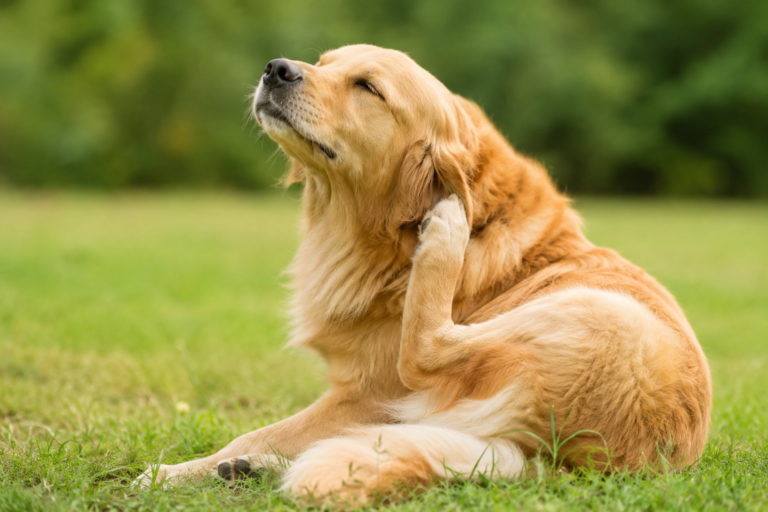
Your dog’s skin and coat can reveal a lot about their overall health. Excessive itching, licking, or skin irritation may point to allergies or infections. Dogs with chronic skin problems are often extremely uncomfortable. Skin symptoms may worsen if left untreated for long periods.
Common Skin Symptoms
- Hair loss
- Dandruff
- Red skin
- Hot spots
- Excessive scratching
- Paw licking
- Scabs
- Skin odor
- Lumps and bumps
Common Causes
- Environmental allergies
- Flea allergies
- Food allergies
- Ringworm
- Mites
- Ear infections
- Bacterial infections
Eye, Ear, Mouth, and Nose Symptoms
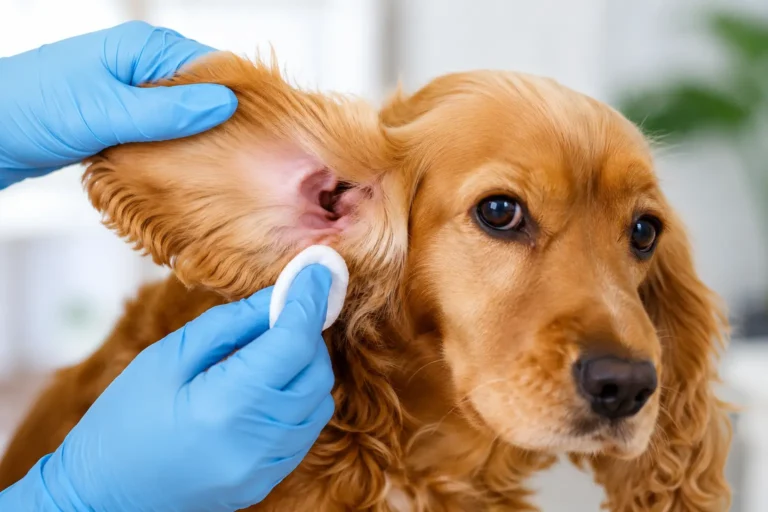
Changes in your dog’s eyes, ears, mouth, or nose may signal infection, irritation, injury, or disease. Many of these symptoms are easy to notice during grooming or daily interaction. Ear infections and dental disease are especially common in dogs. Ignoring these symptoms may lead to pain and long-term complications.
Symptoms to Watch For
- Red eyes
- Eye discharge
- Cloudy eyes
- Ear odor
- Head shaking
- Nose bleeding
- Runny nose
- Bad breath
- Drooling
- Mouth sores
Possible Causes
- Ear infections
- Dental disease
- Allergies
- Eye infections
- Respiratory illness
- Foreign objects
Mobility Problems, Pain, and Weakness
Mobility problems are especially common in older dogs, but they can affect dogs of any age. Dogs experiencing pain may become less active, irritable, or reluctant to move. Weakness and balance problems can sometimes signal serious neurological conditions. Immediate veterinary care may be needed if symptoms appear suddenly.
Common Symptoms
- Limping
- Weakness
- Joint stiffness
- Trembling
- Muscle pain
- Difficulty standing
- Loss of balance
- Swollen legs
Common Causes
- Arthritis
- Injuries
- Hip dysplasia
- Joint disease
- Ligament tears
- Neurological disorders
Common Dog Illnesses and Their Symptoms
Some illnesses appear more frequently in dogs and often share similar warning signs. Recognizing these symptoms early may help prevent severe complications. Puppies, senior dogs, and dogs with weak immune systems are often at greater risk. Veterinary treatment should never be delayed when symptoms become severe.
Parvovirus Symptoms
- Bloody diarrhea
- Severe vomiting
- Dehydration
- Extreme lethargy
- Appetite loss
Kennel Cough Symptoms
- Dry honking cough
- Sneezing
- Mild fever
- Runny nose
- Fatigue
Diabetes Symptoms in Dogs
- Increased thirst
- Frequent urination
- Weight loss
- Fatigue
- Increased appetite
Ear Infection Symptoms
- Head shaking
- Ear odor
- Ear scratching
- Redness
- Balance problems
Emergency Dog Symptoms You Should Never Ignore
Some symptoms require immediate veterinary attention because they can become life-threatening very quickly. Emergency symptoms should never be monitored at home for long periods. Fast treatment can prevent serious complications and improve survival chances. If you are unsure, it is always safer to contact a veterinarian immediately.
Call a Vet Immediately If Your Dog Has:
- Difficulty breathing
- Blue gums
- Collapse
- Seizures
- Bloody diarrhea
- Severe vomiting
- Signs of poisoning
- Inability to urinate
- Extreme lethargy
- Severe pain
How Veterinarians Diagnose Dog Illness
Veterinarians use several tests and examinations to determine the cause of illness in dogs. Proper diagnosis helps identify infections, injuries, allergies, and chronic conditions. Providing accurate information about symptoms can help veterinarians diagnose problems faster. Early diagnosis often improves treatment success and recovery.
Common Diagnostic Tests
- Physical examination
- Blood tests
- Urinalysis
- Fecal testing
- X-rays
- Ultrasound scans
- Allergy testing
Preventing Common Dog Health Problems
Preventive care is one of the best ways to protect your dog from illness and serious health complications. Daily observation helps owners identify warning signs before they become severe. Healthy routines can improve your dog’s immune system and long-term wellbeing. Regular veterinary care is essential for early detection and prevention.
Prevention Tips
- Schedule regular vet checkups
- Keep vaccinations updated
- Use parasite prevention
- Feed a balanced diet
- Maintain healthy weight
- Exercise daily
- Groom regularly
- Brush your dog’s teeth
- Monitor daily behavior
Frequently Asked Questions
How do I know if my dog is seriously sick?
Signs of serious illness include difficulty breathing, seizures, collapse, severe vomiting, bloody diarrhea, and extreme lethargy.
What are the first signs of illness in dogs?
Early warning signs often include appetite changes, low energy, vomiting, diarrhea, coughing, and unusual behavior.
When should I take my dog to the vet?
You should contact a veterinarian if symptoms last longer than 24 hours, worsen quickly, or involve breathing problems or severe pain.
What does lethargy look like in dogs?
Lethargic dogs may sleep excessively, avoid activity, appear weak, or lose interest in food and play.
Can dogs recover from mild illness at home?
Some mild digestive problems may improve with rest, but persistent symptoms should always be checked by a veterinarian.
Conclusion
Recognizing dog illness symptoms early can make a major difference in your dog’s health, comfort, and recovery. Symptoms such as vomiting, diarrhea, coughing, breathing problems, lethargy, appetite changes, skin irritation, or unusual behavior should never be ignored because they may signal a serious underlying condition.
By monitoring your dog closely and responding quickly to warning signs, you can help prevent small health problems from turning into dangerous emergencies. Dogs rely on their owners to notice signs of pain and illness, making awareness one of the most important parts of responsible pet care.
Staying proactive, informed, and attentive gives your dog the best chance at living a long, healthy, and happy life.