Dog UTI Symptoms: Signs, Treatment & Prevention Guide
If your dog is suddenly asking to go outside more often, having accidents in the house, or showing discomfort while urinating, a urinary tract infection (UTI) may be the reason. Many dog owners search for dog UTI symptoms because urinary problems can appear suddenly and become painful if ignored. Early recognition of symptoms can help prevent complications and speed up recovery.
Urinary tract infections are among the most common bacterial infections seen in dogs. While some infections remain limited to the bladder, others can spread to the kidneys and become more serious. Understanding the warning signs allows dog owners to seek treatment before the condition worsens.
The good news is that most canine UTIs respond well to veterinary treatment when diagnosed early. Along with proper medical care, hydration, nutrition, and supportive home care can help improve recovery and reduce the risk of future infections.
What Is a Urinary Tract Infection in Dogs?
A urinary tract infection occurs when harmful bacteria enter the urinary system and begin multiplying inside the bladder, urethra, ureters, or kidneys. Most canine UTIs affect the lower urinary tract, particularly the bladder and urethra. The infection causes inflammation, irritation, and discomfort during urination.
Healthy urine is normally sterile, meaning it does not contain harmful bacteria. However, bacteria can enter through the urethra and travel into the bladder. Once bacteria multiply, they trigger inflammation that leads to the symptoms commonly associated with UTIs.
Although female dogs are more likely to develop urinary tract infections due to their shorter urethra, male dogs can also be affected. Dogs of any breed or age may develop a UTI, especially if underlying health conditions are present.
Dog UTI Symptoms
Frequent Urination
One of the earliest and most noticeable signs of a urinary tract infection is frequent urination. Dogs may suddenly ask to go outside much more often than usual. Despite frequent bathroom trips, they often produce only small amounts of urine each time.
This occurs because inflammation in the bladder creates the constant sensation of needing to urinate. Even when the bladder contains very little urine, the dog still feels the urge to empty it.
Straining to Urinate
Dogs with UTIs often struggle while attempting to urinate. They may squat repeatedly, remain in position longer than normal, or appear frustrated during bathroom breaks.
The inflammation caused by infection can make urination uncomfortable and difficult. Owners may notice their dog repeatedly attempting to urinate with very l
Pain During Urination
Painful urination is another common symptom of urinary tract infections. Some dogs cry, whine, or appear anxious when trying to urinate.
The infection irritates the urinary tract lining, creating a burning sensation. Because dogs cannot verbally communicate pain, behavioral changes during bathroom breaks are often important clues.
Blood in the Urine
Blood in the urine is one of the most alarming symptoms for dog owners. Urine may appear pink, red, rust-colored, or contain visible streaks of blood.
Inflammation damages small blood vessels within the urinary tract, causing bleeding. Any appearance of blood in the urine should be evaluated by a veterinarian as soon as possible.
Cloudy or Strong-Smelling Urine
Urine may become cloudy due to the presence of bacteria, white blood cells, and inflammatory debris. Many owners also notice a stronger or unusual odor.
Changes in urine appearance can often indicate infection before more severe symptoms develop.
Urinary Accidents in the House
House-trained dogs that suddenly begin having accidents indoors may be experiencing urinary discomfort. The urgent need to urinate can become difficult to control.
Many owners mistakenly assume this is a behavioral problem when it is actually a medical condition requiring attention.
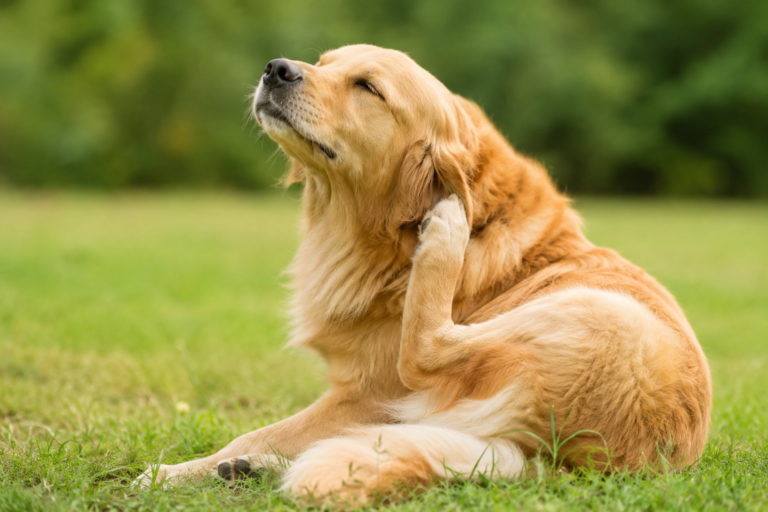
Excessive Licking of the Genital Area
Dogs frequently lick the genital area in an attempt to relieve discomfort caused by infection. Excessive licking may result in redness, irritation, and hair loss around the area.
If genital licking becomes persistent or obsessive, urinary tract problems should be considered.
Increased Thirst
Dogs with UTIs often drink more water than usual. Increased water intake is the body’s natural response to help flush bacteria from the urinary tract.
While increased thirst alone does not confirm a UTI, it commonly occurs alongside other urinary symptoms.
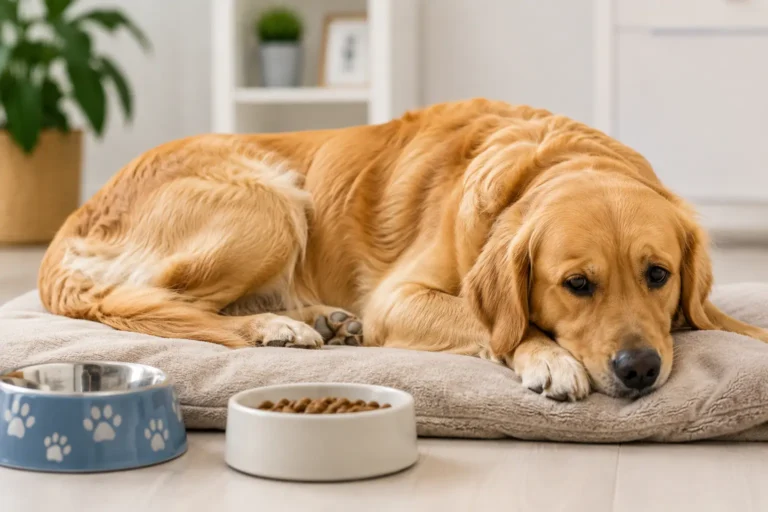
Lethargy and Loss of Appetite
As the infection progresses, some dogs become less active and lose interest in food. They may sleep more than usual and show reduced enthusiasm for normal activities.
These symptoms are more common in severe infections or infections that have spread beyond the bladder
- Homemade Dog Food Without Chicken Recipe
- https://dogfoodzone.com/high-protein-dog-food/
- Homemade Dog Food for Allergies: Easy Recipe
What Causes UTIs in Dogs?
Bacterial Infections
Most canine UTIs are caused by bacteria entering the urinary tract through the urethra. E. coli is one of the most common bacteria responsible for infections.
Bladder Stones
Bladder stones can irritate the bladder lining and create an environment where bacteria can thrive. Dogs with bladder stones frequently develop recurring infections.
Diabetes
Diabetic dogs are more prone to urinary tract infections because elevated sugar levels can encourage bacterial growth.
Kidney Disease
Kidney disease can compromise urinary health and increase susceptibility to infections.
Weakened Immune System
Dogs with weakened immune systems have greater difficulty fighting bacteria, making infections more likely.
Anatomical Abnormalities
Some dogs are born with urinary tract abnormalities that increase infection risk throughout their lives.
Dog Breeds More Likely to Develop UTIs
Although any dog can develop a urinary tract infection, certain breeds may experience urinary issues more frequently.
- Shih Tzu
- Yorkshire Terrier
- Miniature Schnauzer
- Bichon Frise
- Cocker Spaniel
- Lhasa Apso
Female dogs and senior dogs are generally at greater risk regardless of breed.
How Vets Diagnose UTIs
Veterinarians typically begin with a physical examination and review of symptoms. Urinalysis is commonly performed to detect bacteria, blood, white blood cells, crystals, and abnormal urine pH.
A urine culture may also be recommended. This test identifies the specific bacteria causing the infection and helps determine which antibiotic will be most effective.
Additional diagnostics such as blood tests, X-rays, or ultrasound may be necessary if bladder stones, kidney disease, or recurrent infections are suspected.
Dog Urinary Tract Infection Treatment
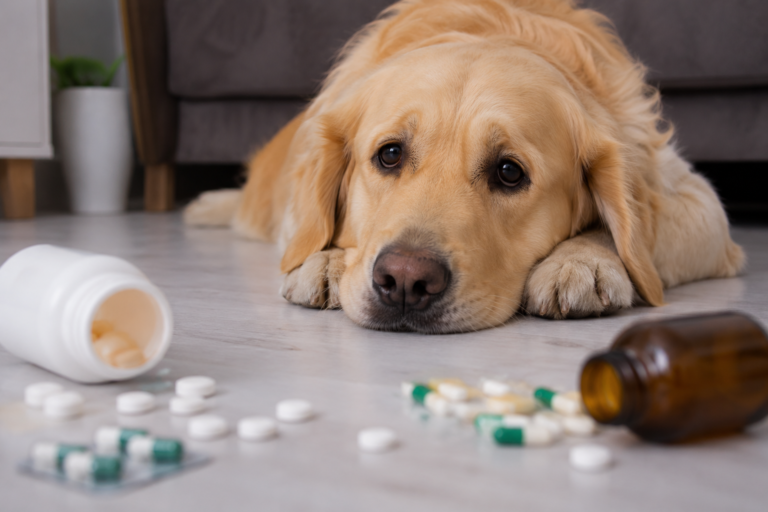
Antibiotics
Most bacterial UTIs require prescription antibiotics. Treatment duration varies depending on infection severity and bacterial type.
Pain Relief
Pain medications or anti-inflammatory drugs may be prescribed to reduce discomfort during recovery.
Increased Water Intake
Encouraging hydration helps flush bacteria from the urinary tract and supports healing.
Treating Underlying Conditions
If bladder stones, diabetes, or kidney disease are contributing to infections, those conditions must also be addressed to prevent recurrence.
Homemade Dog Food Recipe for Dogs With Urinary Issues
Ingredients
- 2 pounds lean ground turkey
- 1 cup cooked white rice
- 1 cup pumpkin puree
- 1 cup zucchini
- 1 cup green beans
- 4 cups water
Instructions
Cook the turkey thoroughly until fully done. Steam the vegetables until soft and cook the rice separately. Combine all ingredients in a large pot, add water, and simmer for 10 minutes. Allow the mixture to cool completely before serving.
Why This Recipe Helps
Turkey provides highly digestible protein while remaining gentle on the digestive system. Pumpkin supplies fiber that supports digestion and overall gut health. Zucchini and green beans add moisture and beneficial nutrients. The extra water content helps support urinary tract hydration.
Can Home Remedies Cure a Dog UTI?
Many owners search for home remedies for dog UTI treatment. While increased water intake and supportive nutrition may help reduce discomfort, they cannot eliminate bacterial infections.
Most UTIs require veterinary diagnosis and antibiotics. Relying solely on home remedies may allow the infection to worsen or spread to the kidneys.
Potential Complications of Untreated UTIs
Without treatment, urinary tract infections can lead to serious complications including:
- Kidney infections
- Bladder stones
- Chronic urinary inflammation
- Kidney damage
- Urinary blockage
- Recurring infections
Prompt treatment significantly reduces these risks.
How to Prevent UTIs in Dogs
Providing constant access to fresh water is one of the most effective prevention strategies. Regular bathroom breaks help flush bacteria before infections develop.
Maintaining a healthy weight, feeding a balanced diet, and scheduling routine veterinary exams also support urinary health. Dogs with chronic medical conditions should be monitored closely to reduce infection risk.
When to Call a Vet
Contact your veterinarian if your dog shows signs of painful urination, blood in the urine, urinary accidents, frequent urination, or excessive licking of the genital area.
Early diagnosis and treatment often result in faster recovery and fewer complications.
Frequently Asked Questions
What are the first signs of a UTI in dogs?
Frequent urination, straining, urinary accidents, and blood in urine are common early symptoms.
Can a dog UTI go away on its own?
Most bacterial urinary tract infections require veterinary treatment and antibiotics.
What should I feed a dog with a UTI?
Moisture-rich foods, adequate hydration, and veterinarian-approved urinary diets can help support recovery.
Can UTIs cause blood in urine?
Yes. Blood in urine is one of the most common symptoms of canine urinary tract infections.
Are UTIs painful for dogs?
Yes. Many dogs experience pain, burning, and discomfort while urinating.
Can UTIs spread to the kidneys?
Yes. Untreated infections may travel to the kidneys and become much more serious.