Dog Digestive Problems: Causes & Treatments
Dogs can experience digestive problems for many different reasons, ranging from mild stomach upset to serious gastrointestinal disorders that require emergency veterinary care. Symptoms like vomiting, diarrhea, constipation, bloating, gas, and loss of appetite are common signs that your dog’s digestive system may not be functioning properly.
Some digestive issues improve quickly with rest and a bland diet, while others such as pancreatitis, intestinal blockages, or bloat can become life-threatening without treatment. Understanding the causes, symptoms, and treatment options can help pet owners act quickly and keep their dogs healthy.
If your dog frequently experiences stomach problems, identifying the root cause early can prevent dehydration, nutritional deficiencies, and chronic digestive disorders. In this guide, you’ll learn the most common digestive problems in dogs, what causes them, how to treat them, and what food may help improvecanine digestive health.
Symptoms of Dog Digestive Problems
Many digestive disorders share similar symptoms. Some dogs develop only mild stomach discomfort, while others may show severe gastrointestinal distress.
Common signs include:
- Vomiting
- Diarrhea
- Constipation
- Excessive gas or bloating
- Loss of appetite
- Weight loss
- Bloody stool
- Mucus in stool
- Abdominal pain
- Lethargy
- Dehydration
- Dry retching
- Straining during bowel movements
Dogs with severe digestive problems may also develop weakness, fever, or a swollen abdomen that requires immediate veterinary attention.
Dog Illness Symptoms: 25 Warning Signs Your Dog May Be Sick
Common Causes of Digestive Problems in Dogs
Dietary Indiscretion
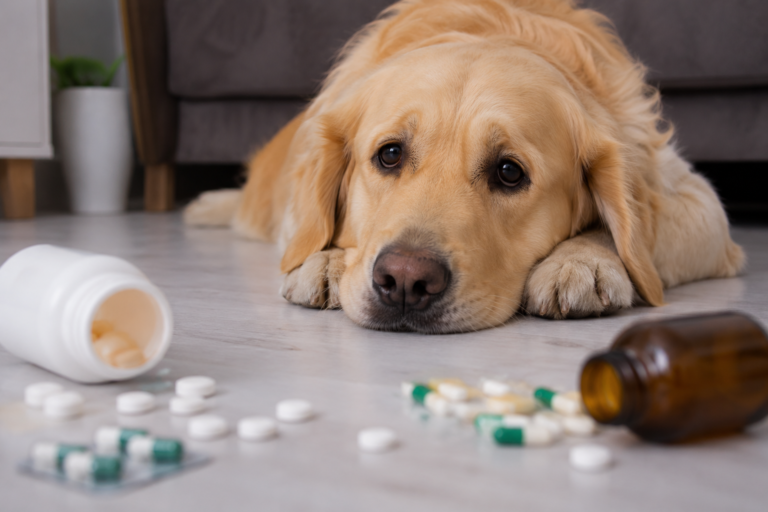
Dogs often eat things they should not, including garbage, spoiled food, table scraps, plastic, toys, or toxic substances. This is one of the most common reasons for stomach upset in dogs.
Sudden food changes can also irritate the digestive system and cause vomiting or diarrhea.
Food Allergies and Sensitivities
Some dogs develop digestive issues after eating certain proteins, grains, or ingredients. Food intolerance may cause:
- Chronic diarrhea
- Vomiting
- Gas
- Itchy skin
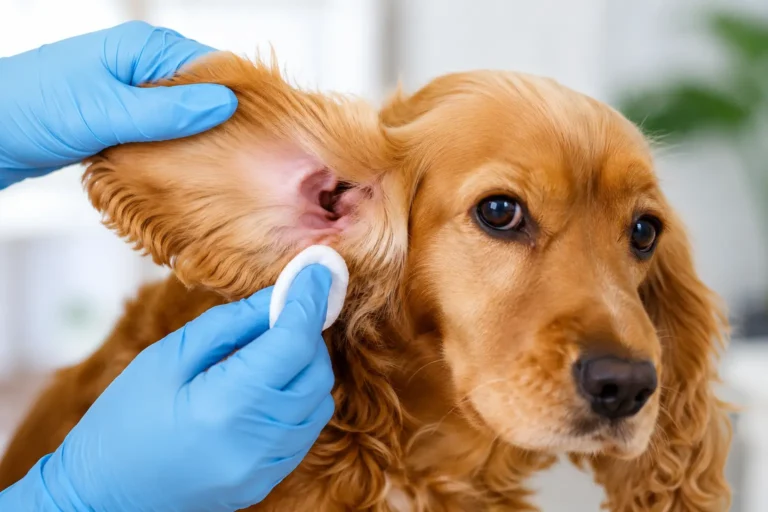
- Ear infections
- Loose stool
A hypoallergenic or limited-ingredient diet may help dogs with food sensitivities.
Stress and Anxiety
Stress diarrhea is very common in dogs. Boarding, traveling, loud noises, separation anxiety, or routine changes may trigger digestive upset.
Dogs experiencing stress-related digestive problems often develop loose stool, gas, or appetite loss.
Gastroenteritis in Dogs
Gastroenteritis refers to inflammation of the stomach and intestines. It commonly causes vomiting, diarrhea, abdominal pain, and dehydration.
Possible causes include:
- Viral infections
- Bacterial infections
- Parasites
- Toxins
- Spoiled food
- Sudden diet changes
Mild cases may improve with supportive care, while severe cases require veterinary treatment.
Constipation in Dogs
Constipation occurs when stool becomes difficult to pass. Dogs may strain frequently or produce hard, dry feces.
Common causes include:
- Lack of fiber
- Dehydration
- Bone consumption
- Poor diet
- Intestinal obstruction
- Lack of exercise
Adding fiber, increasing hydration, and improving diet quality often helps mild constipation.
Pancreatitis in Dogs
Pancreatitis is inflammation of the pancreas and can become very serious. Fatty foods and table scraps are common triggers.
Symptoms include:
- Vomiting
- Severe abdominal pain
- Diarrhea
- Loss of appetite
- Weakness
Many dogs with pancreatitis require hospitalization, IV fluids, and pain management.
Intestinal Blockages
Intestinal obstruction happens when a dog swallows something that blocks the digestive tract.
Common foreign objects include:
- Socks
- Toys
- Bones
- Corn cobs
- Plastic items
- Fabric
Signs of blockage include repeated vomiting, abdominal pain, bloating, dehydration, and inability to keep food down. Surgery is often necessary.
Gastric Dilatation and Volvulus (Bloat)
Bloat, also called GDV, is a life-threatening emergency where the stomach twists and traps gas inside.
Symptoms include:
- Swollen abdomen
- Restlessness
- Excessive drooling
- Dry heaving
- Difficulty breathing
- Collapse
Large deep-chested breeds like Great Danes and German Shepherds are at higher risk. Immediate emergency surgery is required.
Diagnosing Dog Digestive Problems
Veterinarians diagnose digestive disorders using several methods depending on symptoms and severity.
Diagnostic tests may include:
- Physical examination
- Stool testing
- Bloodwork
- X-rays
- Ultrasound
- Endoscopy
- Food elimination trials
Accurate diagnosis is important because many digestive conditions share similar symptoms.
Best Treatment for Dog Digestive Problems
Treatment depends on the underlying cause and severity of symptoms.
Common treatments include:
- Bland diet
- Fluid therapy
- Anti-nausea medication
- Probiotics
- Deworming medication
- Prescription diets
- Surgery for blockages or GDV
- Fiber supplements
- Digestive enzymes
Dogs with mild stomach upset may recover within a few days, while chronic digestive diseases require long-term management.
What to Feed a Dog With Digestive Problems
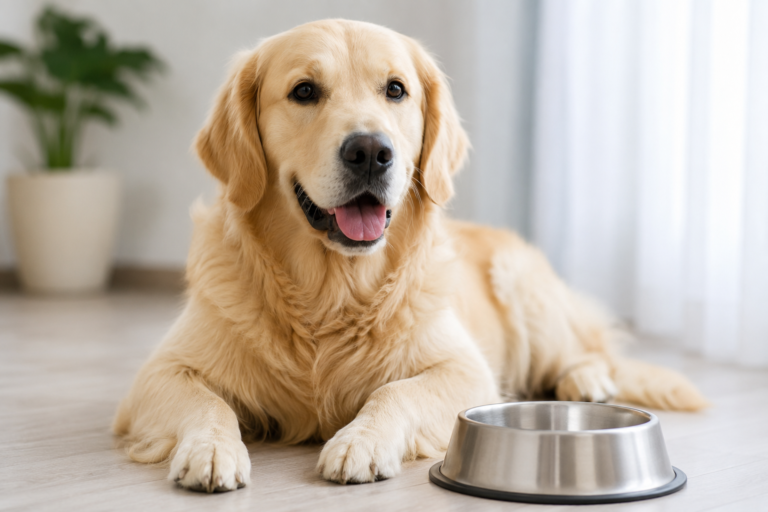
Dogs with sensitive stomachs often benefit from highly digestible foods that reduce irritation and support gut health.
Good options include:
- Boiled chicken and rice
- Pumpkin
- Low-fat diets
- Prescription gastrointestinal food
- Probiotic supplements
- Limited-ingredient diets
- Fiber-rich dog food
Avoid:
- Fatty table scraps
- Spicy foods
- Sudden diet changes
- Toxic foods
- Excess treats
Feeding smaller meals throughout the day may also improve digestion.
Natural Remedies for Dog Digestive Problems
Some mild digestive issues may improve with supportive home care.
Helpful remedies include:
- Keeping fresh water available
- Feeding small bland meals
- Using probiotics
- Adding pumpkin for fiber
- Maintaining a consistent feeding schedule
- Reducing stress
- Preventing access to garbage
Always contact your veterinarian if symptoms become severe or persistent.
How to Prevent Digestive Problems in Dogs
Prevention plays a major role in maintaining canine digestive health.
You can reduce digestive problems by:
- Feeding high-quality dog food
- Avoiding sudden food changes
- Keeping toxic foods away
- Preventing dogs from eating foreign objects
- Managing stress and anxiety
- Scheduling regular vet checkups
- Keeping your dog hydrated
- Using parasite prevention
Consistent nutrition and healthy feeding habits help support long-term digestive function.
When Should You See a Vet?
Seek immediate veterinary care if your dog has:
- Bloody diarrhea
- Continuous vomiting
- Severe bloating
- Signs of dehydration
- Collapse or weakness
- Severe abdominal pain
- Difficulty breathing
- Inability to keep water down
Early treatment can prevent serious complications and improve recovery outcomes.
FAQs
What causes digestive problems in dogs?
Digestive problems may be caused by food intolerance, infections, parasites, stress, toxins, pancreatitis, constipation, intestinal blockage, or sudden diet changes.
What can I feed my dog with digestive issues?
Boiled chicken and rice, pumpkin, probiotics, and highly digestible dog food are commonly recommended for dogs with mild digestive upset.
Can stress cause digestive problems in dogs?
Yes, stress and anxiety can trigger diarrhea, appetite loss, gas, and stomach upset in many dogs.
How long do dog digestive problems last?
Mild stomach upset may improve within 24–48 hours, while chronic digestive disorders may require long-term treatment.
What are signs of serious digestive problems in dogs?
Bloody stool, severe bloating, repeated vomiting, dehydration, weakness, or abdominal pain may indicate a medical emergency.
Are probiotics good for dogs?
Yes, probiotics may help support healthy digestion, improve stool quality, and balance gut bacteria.
What dog breeds are prone to digestive issues?
Great Danes, German Shepherds, Labrador Retrievers, and Standard Poodles are more likely to develop certain digestive disorders.
Can dogs recover from pancreatitis?
Many dogs recover with proper treatment, although severe pancreatitis may require hospitalization and long-term dietary changes.
What foods should dogs avoid?
Dogs should avoid chocolate, onions, grapes, fatty foods, cooked bones, excessive table scraps, and toxic household substances.
When should I worry about dog diarrhea?
You should contact a veterinarian if diarrhea is severe, bloody, frequent, or lasts longer than 24–48 hours.
Conclusion
Dog digestive problems can range from mild stomach upset to serious gastrointestinal disorders that require immediate veterinary care. Recognizing symptoms early, feeding a balanced diet, maintaining proper hydration, and avoiding sudden food changes can help protect your dog’s digestive health. With the right treatment, prevention strategies, and regular veterinary checkups, most dogs can recover quickly and maintain a healthy digestive system for years to come.