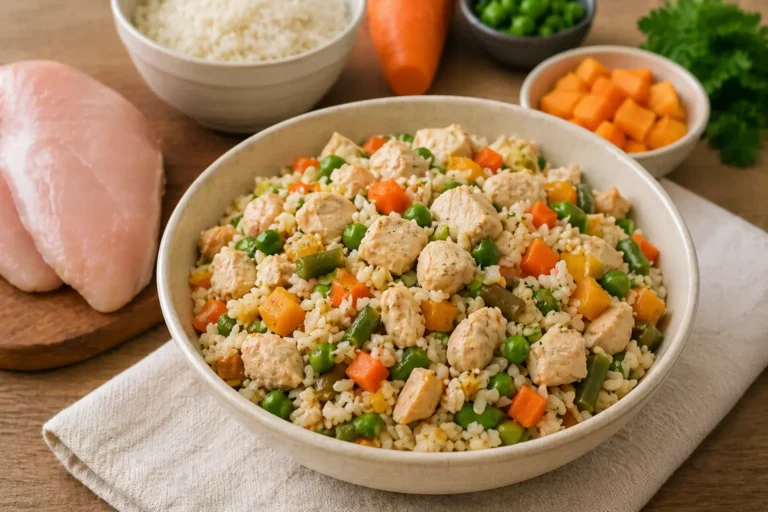
Homemade Diabetic Dog Food Recipe (Vet Approved): Best Low-Carb Meals for Diabetic Dogs
Looking for a homemade diabetic dog food recipe? Discover vet-approved, low-carb, high-fiber meals, feeding tips, safe ingredients, and recipes to help manage your dog’s diabetes naturally.
introduction
If your dog has recently been diagnosed with diabetes, you’re probably searching for a homemade diabetic dog food recipe that is both nutritious and safe. Managing canine diabetes can feel overwhelming at first, but the right diet plays a major role in helping regulate blood sugar levels and improving your dog’s overall quality of life.
Many pet owners choose homemade diabetic dog food because it gives them complete control over ingredients, portion sizes, carbohydrates, and nutritional quality. Unlike many commercial foods that contain fillers, artificial additives, and unnecessary carbohydrates, homemade meals can be tailored to meet your dog’s specific needs.
In this guide, you’ll learn how diabetes affects dogs, which ingredients are best, which foods should be avoided, and how to prepare a vet-approved homemade diabetic dog food recipe that supports stable blood sugar levels.
What Is Canine Diabetes?
Canine diabetes is a condition in which a dog’s body cannot properly regulate blood glucose levels. This usually occurs because the pancreas does not produce enough insulin or because the body cannot effectively use insulin.
Common symptoms include:
- Excessive thirst
- Frequent urination
- Increased hunger
- Weight loss
- Fatigue
- Cloudy eyes or cataracts
Without proper management, diabetes can lead to serious complications. Fortunately, a combination of insulin therapy, exercise, and a carefully planned diet can help diabetic dogs live healthy and happy lives.
Why Diet Matters for Diabetic Dogs
Food directly impacts blood sugar levels. High-carbohydrate foods can cause rapid spikes in glucose, making diabetes more difficult to manage.
A well-balanced diabetic dog diet should focus on:
- Lean proteins
- High-fiber ingredients
- Low-glycemic carbohydrates
- Healthy vegetables
- Consistent feeding schedules
The goal is to slow glucose absorption and maintain stable blood sugar throughout the day.
Benefits of Homemade Diabetic Dog Food
Many veterinarians recommend homemade meals when properly balanced because they offer several advantages.
Better Ingredient Control
You know exactly what goes into your dog’s bowl. There are no hidden sugars, preservatives, or artificial flavors.
Improved Blood Sugar Management
Homemade meals can be designed with low-glycemic ingredients that help prevent sudden glucose spikes.
Higher Quality Nutrition
Fresh meats, vegetables, and fiber-rich foods often provide better nutritional value than heavily processed dog food.
Customizable for Individual Needs
Whether your dog needs weight loss, increased fiber, or additional protein, homemade recipes can be adjusted accordingly.
Vet-Approved Nutritional Requirements for Diabetic Dogs
Lean Protein
Protein helps maintain muscle mass without causing major fluctuations in blood sugar.
Excellent protein sources include:
- Chicken breast
- Turkey
- Lean ground beef
- Fish
- Eggs
High Fiber
Fiber slows digestion and helps regulate glucose absorption.
Good fiber sources include:
- Pumpkin
- Green beans
- Broccoli
- Spinach
- Lentils
Healthy Carbohydrates
Diabetic dogs still need carbohydrates, but they should come from low-glycemic sources.
Examples include:
- Brown rice
- Barley
- Sweet potatoes
- Lentils
Essential Vitamins and Minerals
Vegetables provide antioxidants, vitamins, and minerals that support overall health and immune function.
Best Ingredients for Homemade Diabetic Dog Food
Chicken Breast
Chicken is lean, affordable, and packed with high-quality protein.
Pumpkin
Pumpkin contains soluble fiber that helps regulate digestion and blood sugar levels.
Green Beans
Green beans are low in calories, rich in fiber, and excellent for diabetic dogs.
Broccoli
Broccoli provides vitamins, antioxidants, and fiber while remaining low in carbohydrates.
Spinach
Spinach contains nutrients that support immune health and overall wellness.
Barley
Barley is considered a low-glycemic grain and is often recommended for diabetic dogs.
Certain foods can worsen blood sugar control and should be avoided.
Avoid:
- White bread
- White rice
Sugary treats - Corn syrup
- Processed meats
- Candy
- Chocolate
- Excessive fat
- Artificial sweeteners
Even small amounts of sugary foods can disrupt glucose control.
Homemade Diabetic Dog Food Recipe (Vet Approved)
Ingredients
- 2 pounds skinless chicken breast
- 1 cup cooked barley
- 1 cup pumpkin puree
- 1 cup green beans
- 1 cup broccoli florets
- 1 cup spinach
- 1 tablespoon fish oil
Equipment Needed
- Large cooking pot
- Cutting board
- Sharp knife
- Measuring cups
- Storage containers
Instructions
Step 1: Cook the Chicken
Boil or bake the chicken breast until fully cooked. Allow it to cool and shred it into small pieces.
Step 2: Prepare the Vegetables
Steam the broccoli, green beans, and spinach until tender but not overcooked
.Step 3: Cook the Barley
Prepare the barley according to the package instructions.
Step 4: Combine Ingredients
In a large bowl, mix:
- Shredded chicken
- Cooked barley
- Pumpkin puree
- Green beans
- Broccoli
- Spinach
Step 5: Add Fish Oil
Stir in the fish oil and mix thoroughly.
Step 6: Cool Before Serving
Allow the food to cool completely before serving it to your dog.
Nutritional Benefits of This Recipe
This recipe offers:
- High-quality protein for muscle maintenance
- Fiber for blood sugar regulation
- Low-glycemic carbohydrates for sustained energy
- Essential vitamins and minerals from vegetables
- Healthy fats for skin and coat health
Because the ingredients are minimally processed, dogs often find homemade meals more appealing than commercial diabetic diets. Always consult your veterinarian before making significant dietary changes, especially if your dog is receiving insulin therapy or other diabetes treatments.
Feeding Guidelines for Diabetic Dogs
One of the most important aspects of managing canine diabetes is maintaining a consistent feeding schedule. Most diabetic dogs benefit from eating two meals per day at the same times each day, usually coordinated with insulin injections.
General feeding recommendations:
| Dog Weight | Daily Food Amount |
|---|
| 10–20 lbs | 1–1.5 cups |
| 20–40 lbs | 1.5–3 cups |
| 40–60 lbs | 3–4 cups |
| 60–80 lbs | 4–5 cups |
| 80+ lbs | 5+ cups |
Remember that every dog is different. Activity level, age, metabolism, and overall health can affect calorie requirements.
Portion Size Calculator
A simple rule used by many pet owners is:
Daily Food Amount = Body Weight (lbs) × 0.05 to 0.06 cups
Examples:
- 20-pound dog = approximately 1 to 1.2 cups daily
- 40-pound dog = approximately 2 to 2.4 cups daily
- 60-pound dog = approximately 3 to 3.6 cups daily
Monitor your dog’s weight and blood glucose levels regularly and adjust portions with veterinary guidance.
Storage and Meal Prep Tips
Homemade diabetic dog food can be prepared in large batches to save time and ensure consistency.
Refrigerator Storage
- Store in airtight containers.
- Safe for 3–4 days.
Freezer Storage
- Freeze individual meal portions.
- Safe for up to 3 months.
- Thaw overnight in the refrigerator before serving.
Meal Prep Tips
- Label containers with preparation dates.
- Divide food into daily portions.
- Avoid repeatedly thawing and refreezing meals.
Best Homemade Diabetic Dog Treat Recipe
Many commercial dog treats contain unnecessary sugars and fillers. This simple homemade option is diabetic-friendly.
Ingredients
- 1 pound chicken liver
- 2 eggs
- ½ cup coconut flour
Instructions
- Preheat oven to 350°F (175°C).
- Blend all ingredients until smooth.
- Spread mixture onto a parchment-lined baking tray.
- Bake for 15–20 minutes.
- Cool completely and cut into small squares.
These treats are high in protein and lower in carbohydrates than many store-bought alternatives.
5 More Vet-Approved Homemade Diabetic Dog Food Recipes
1.Chicken and Brown Rice Recipe
Ingredients:
- Chicken breast
- Brown rice
- Green beans
- Pumpkin
Benefits:
- Easy digestion
- Balanced nutrition
- Moderate fiber content
2.Beef and Pumpkin Recipe
Ingredients:
- Lean ground beef
- Pumpkin puree
- Broccoli
- Spinach
Benefits:
- Rich protein source
- Excellent fiber support
3.Turkey and Vegetable Recipe
Ingredients:
- Ground turkey
- Green beans
- Carrots
- Pumpkin
Benefits:
- Lower fat content
- Supports healthy weight management
Chicken and Broccoli Recipe
Ingredients:
- Chicken breast
- Broccoli
- Spinach
- Barley
Benefits:
- Low glycemic load
- High nutrient density
5.Beef and Barley Recipe
Ingredients:
- Lean beef
- Barley
- Green beans
- Pumpkin
Benefits:
- Slow-release carbohydrates
- Long-lasting energy
Sample 7-Day Homemade Diabetic Dog Meal Plan
Day 1
Chicken, barley, broccoli, pumpkin
Day 2
Turkey, green beans, spinach
Day 3
Lean beef, pumpkin, broccoli
Day 4
Chicken, sweet potato, green beans
Day 5
Turkey, spinach, barley
Day 6
Beef, pumpkin, carrots
Day 7
Chicken, broccoli, green beans
Rotating ingredients can help provide a wider range of nutrients while keeping meals interesting for your dog.
Homemade vs Commercial Diabetic Dog Food
Homemade Dog Food
Pros:
- Complete ingredient control
- No artificial additives
- Customizable recipes
- Fresh ingredients
Cons:
- Requires preparation time
- Must be nutritionally balanced
Commercial Diabetic Dog Food
Pros:
- Convenient
- Formulated for diabetes management
Cons:
- Often more expensive
- May contain fillers or preservatives
- Limited ingredient control
Many pet owners find that homemade diabetic dog food offers greater flexibility and transparency when managing canine diabetes.
Signs Your Diabetic Dog’s Diet Is Working
A successful diabetic diet may result in:
- Stable body weight
- Improved energy levels
- Reduced excessive thirst
- Less frequent urination
- Better coat quality
- More consistent blood glucose readings
Keep regular veterinary appointments to monitor progress and make adjustments when necessary.
Common Feeding Mistakes to Avoid
Avoid these common mistakes:
- Feeding table scraps
- Giving sugary treats
- Overfeeding
- Inconsistent meal times
- Frequent recipe changes
- Skipping insulin schedules
Consistency is often the key to successful diabetes management.
When to Contact Your Veterinarian
Contact your veterinarian immediately if your dog experiences:
- Sudden weight loss
- Extreme lethargy
- Vomiting
- Refusal to eat
- Excessive thirst
- Difficulty walking
- Signs of hypoglycemia
Early intervention can prevent serious complications.
Frequently Asked Questions
Can diabetic dogs eat rice?
Yes, but brown rice is generally preferred over white rice because it has more fiber and a lower glycemic impact.
Is pumpkin good for diabetic dogs?
Yes. Pumpkin is rich in fiber and can help regulate digestion and blood sugar levels.
How often should diabetic dogs eat?
Most diabetic dogs do best with two scheduled meals daily, usually around insulin administration times.
Can I feed my diabetic dog homemade food every day?
Yes, provided the recipe is nutritionally balanced and approved by your veterinarian.
What treats are safe for diabetic dogs?
Low-carb treats made from lean proteins, pumpkin, or liver are often good options.